Antiquities & Ancient Art
Department
Freeman’s Antiquities and Ancient Art department has established itself as a market leader, offering a range of antiquities, ethnographic art, and natural history.
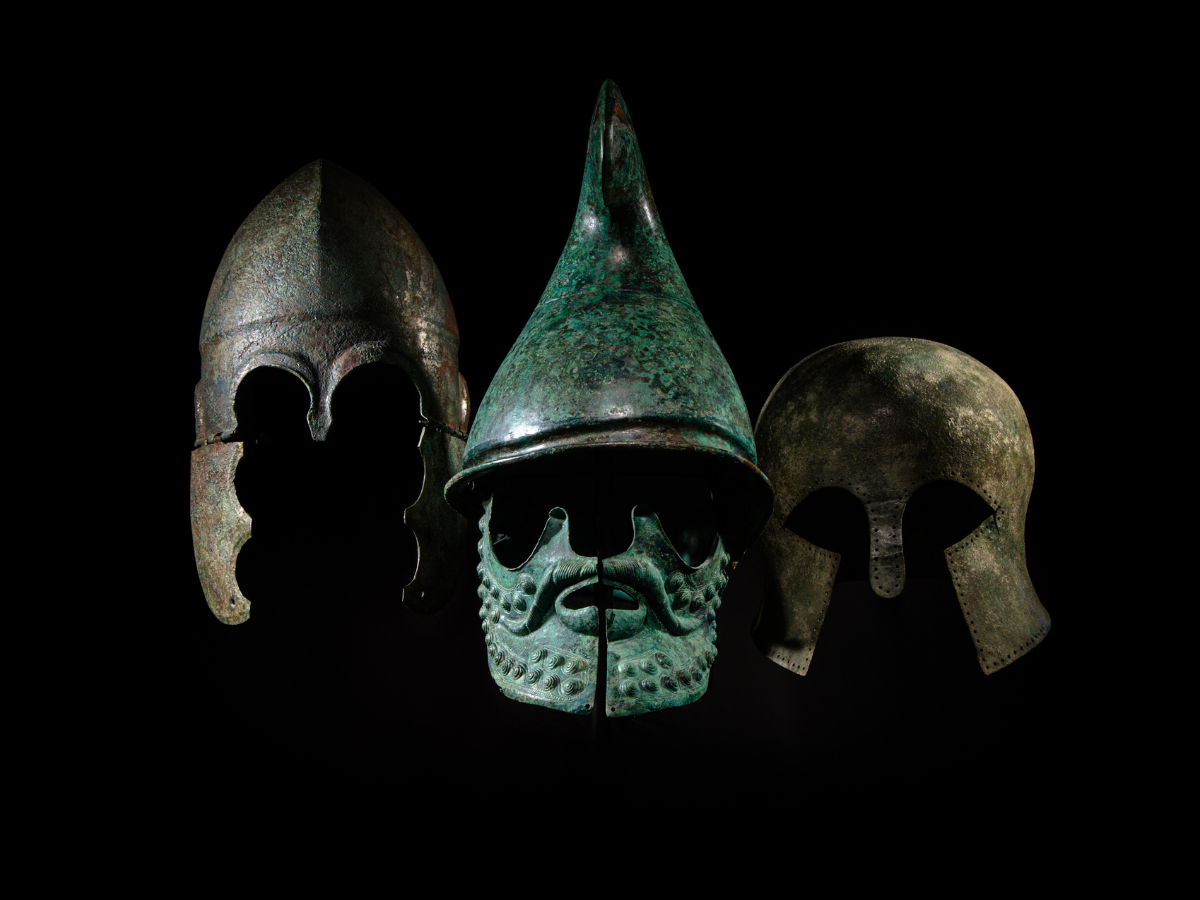
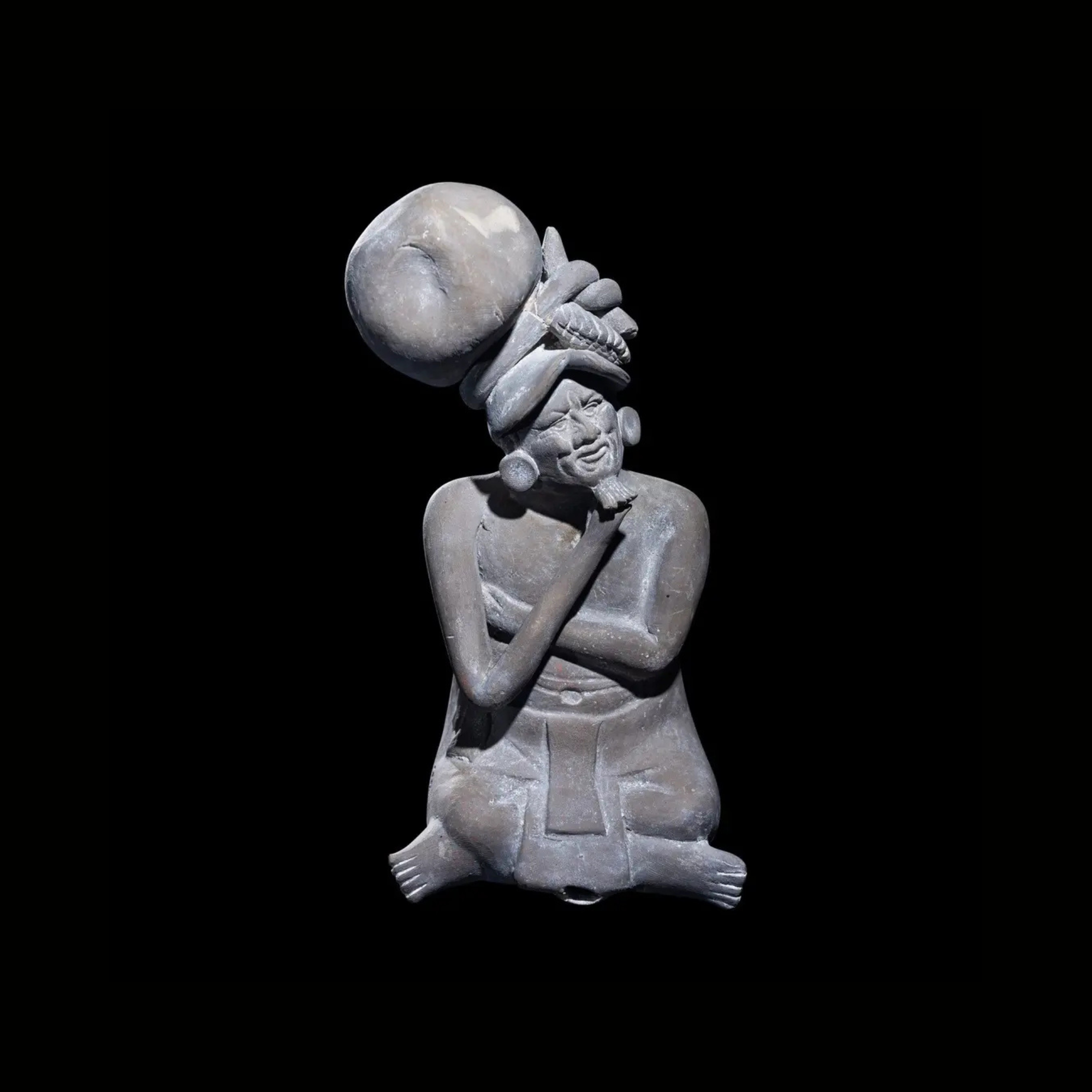
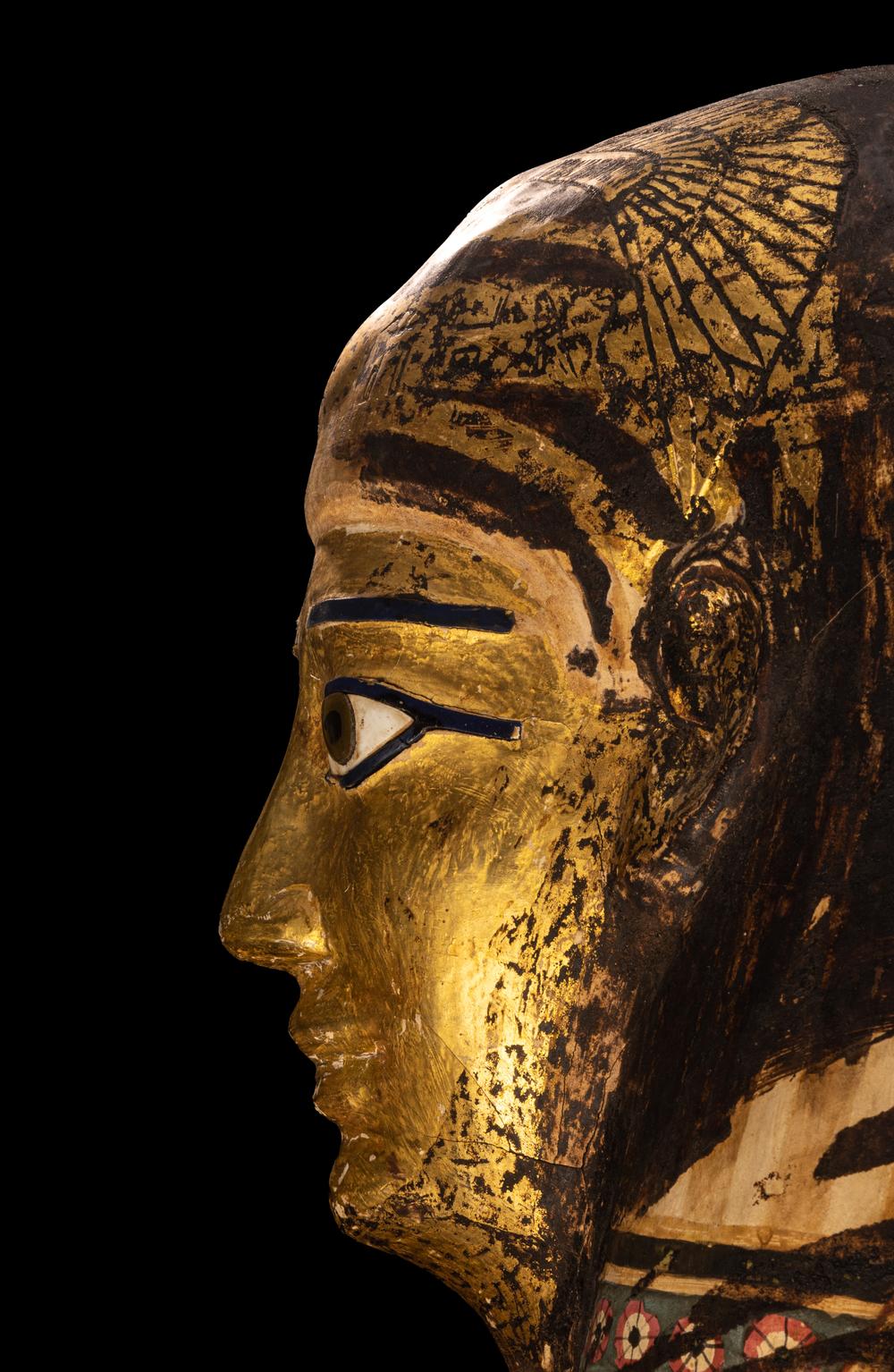
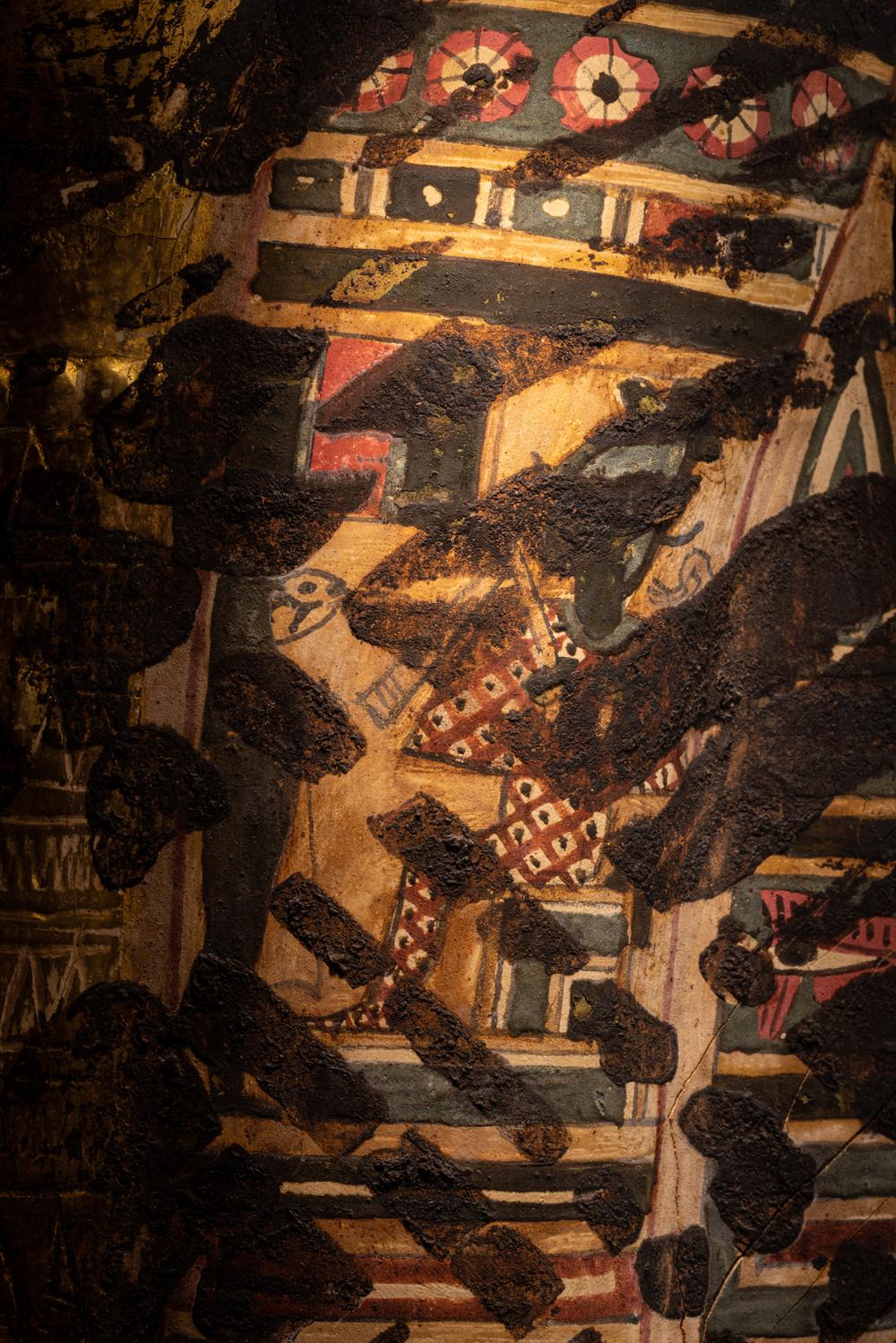
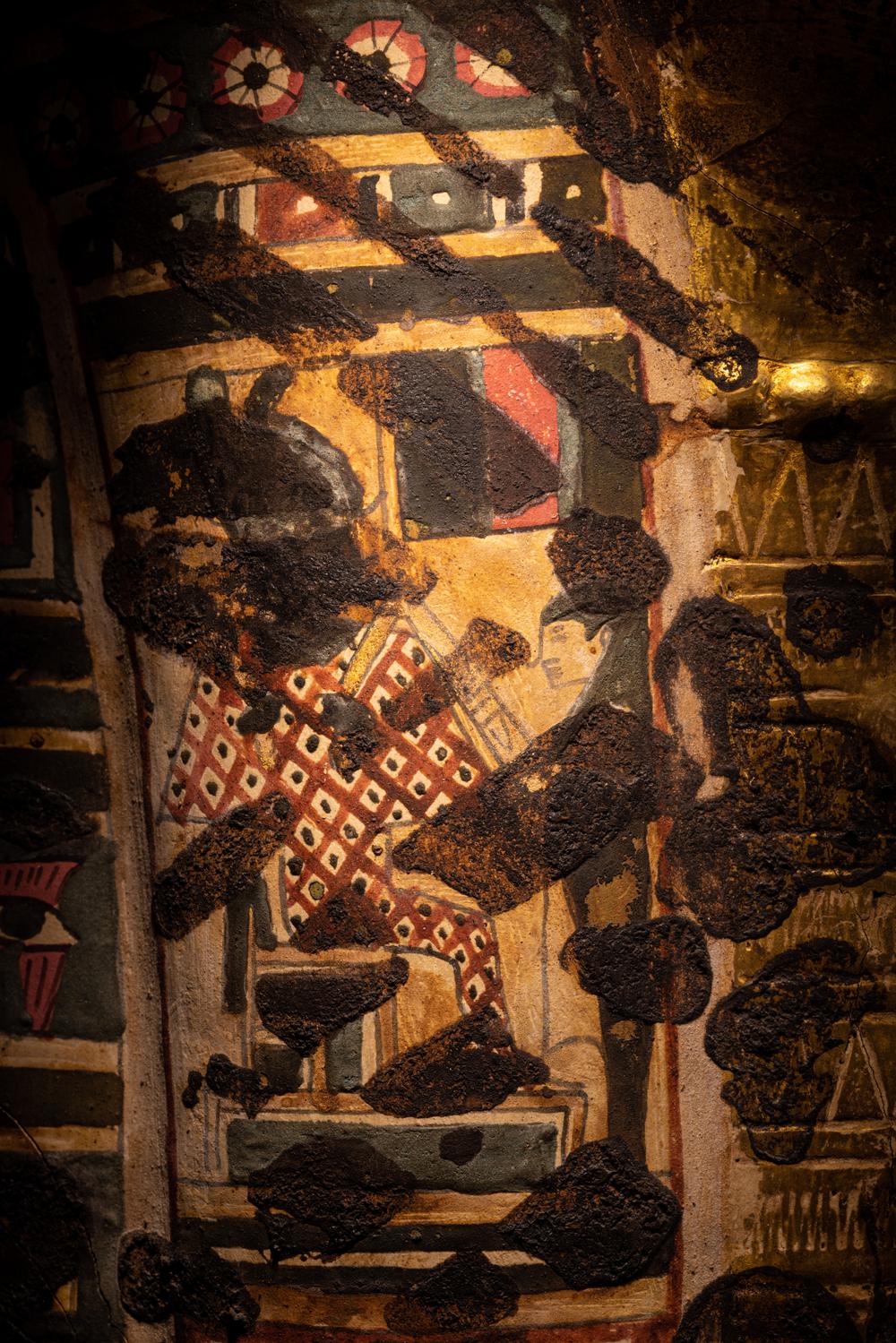
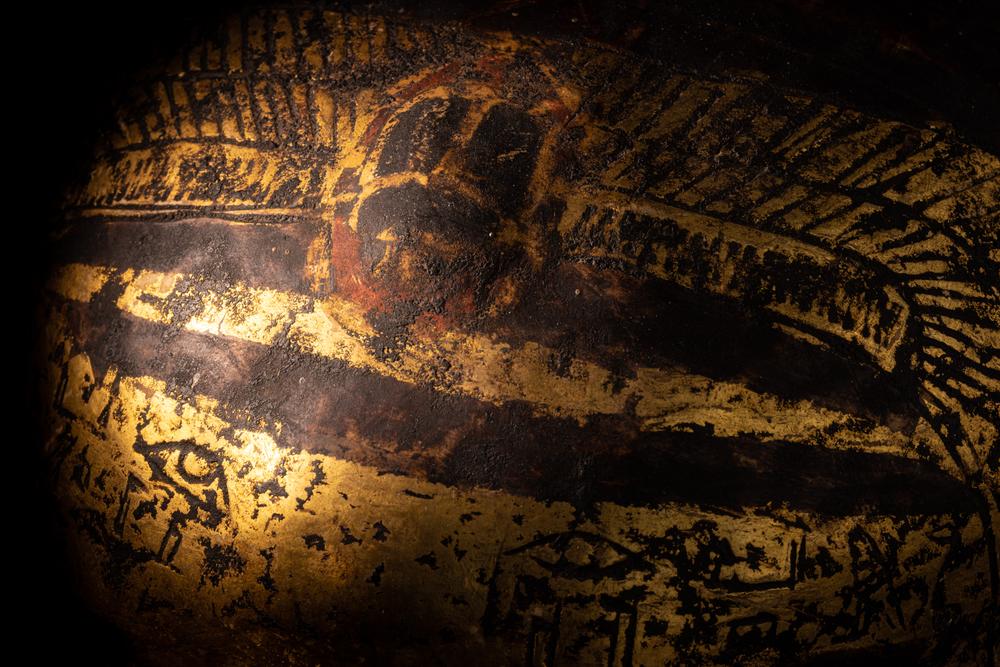
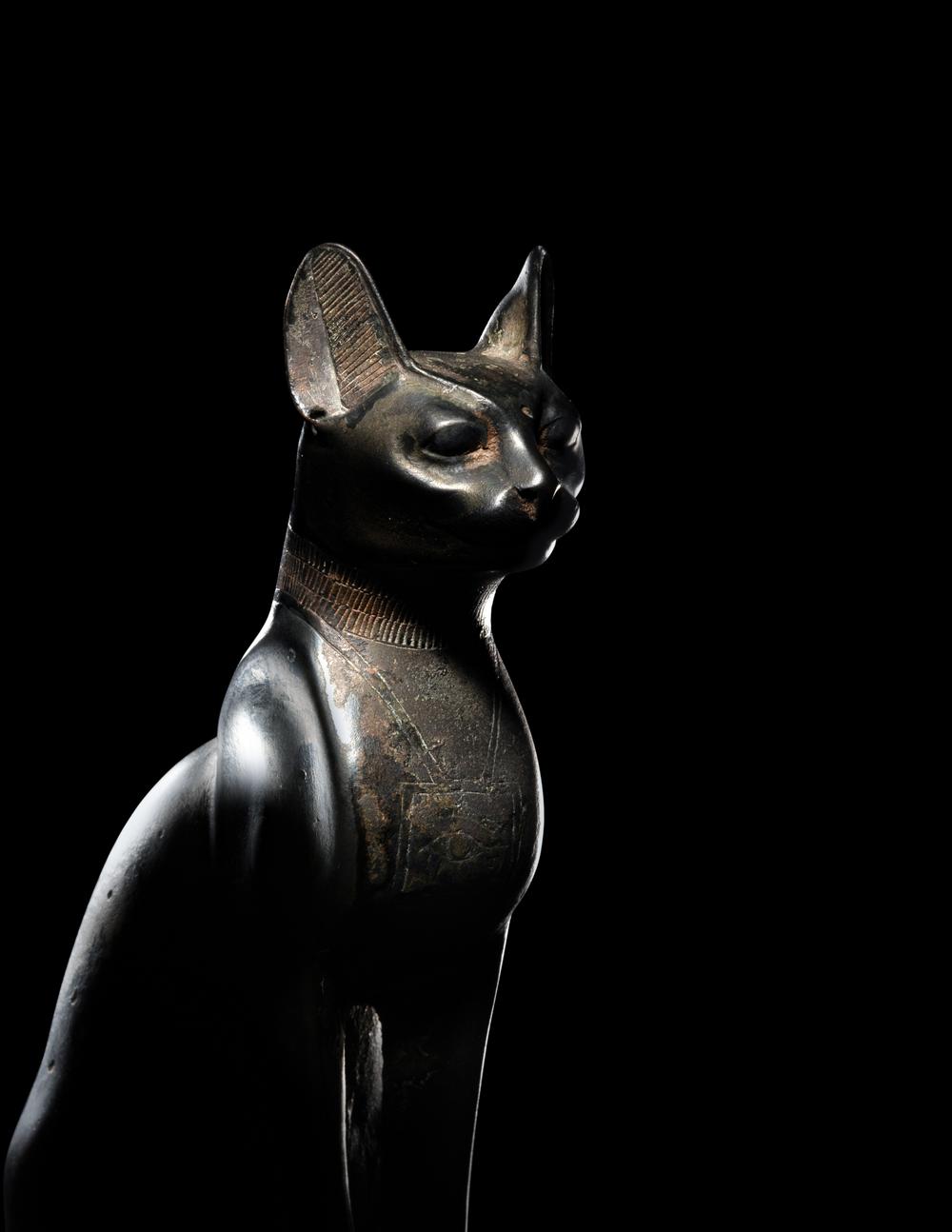
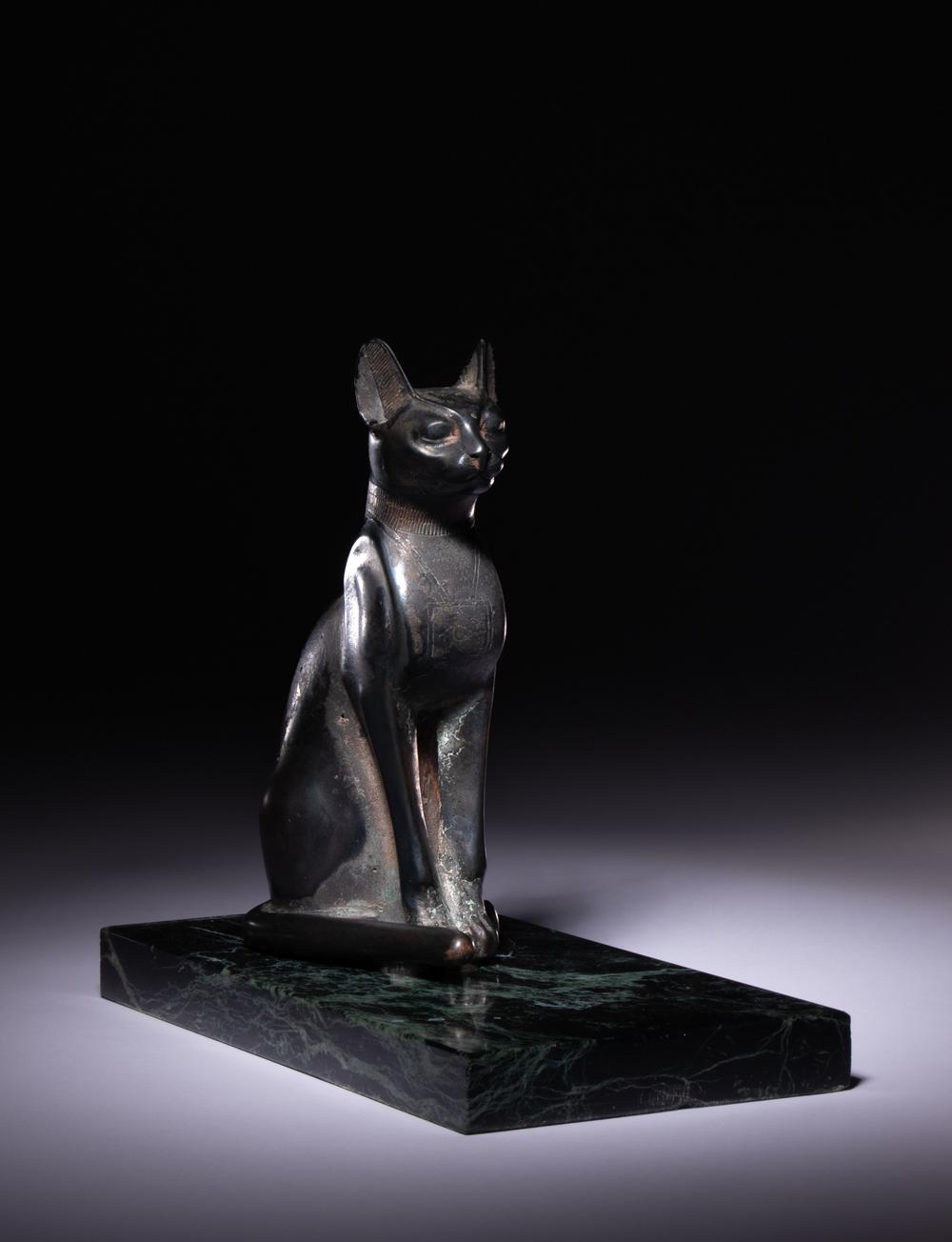
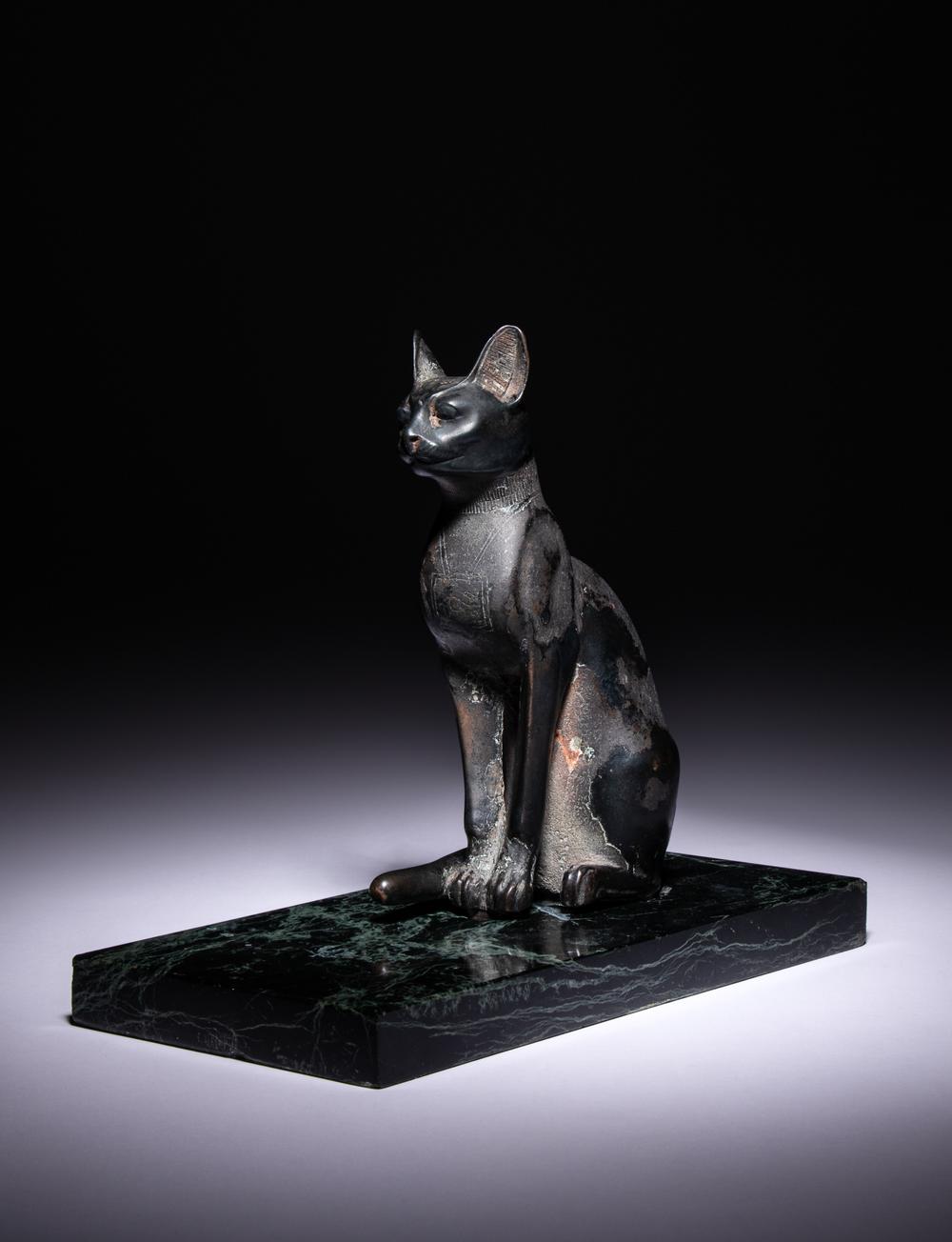
The department specializes in ancient works of art from throughout the Mediterranean world, Egypt, and Near East. Works from the Neolithic Period through to approximately 1000 AD are offered in bronze, marble, pottery, gold, silver, glass, and other media. The marquee auctions take place twice per year, offering Attic and South Italian pottery, Egyptian reliefs and wooden sculptures, Greek and Roman marble statuary, mosaics, bronze and copper figures, gold and silver jewelry, and more. Additionally, Freeman’s sales often incorporate ethnographic art from around the globe, including Africa, Oceania, and the Americas, focusing primarily on the cultural material from Central and South America.
Ancient Art and Antiquities Auctions Expertise
Freeman’s comprehensive approach includes attention to provenance and cultural patrimony sensitivities, remaining attune to all international treaties and laws that govern the sale of antiquities. The United States is a major center for the sale of ancient art, and the firm’s knowledgeable specialists offer expert guidance in navigating this exciting market segment.
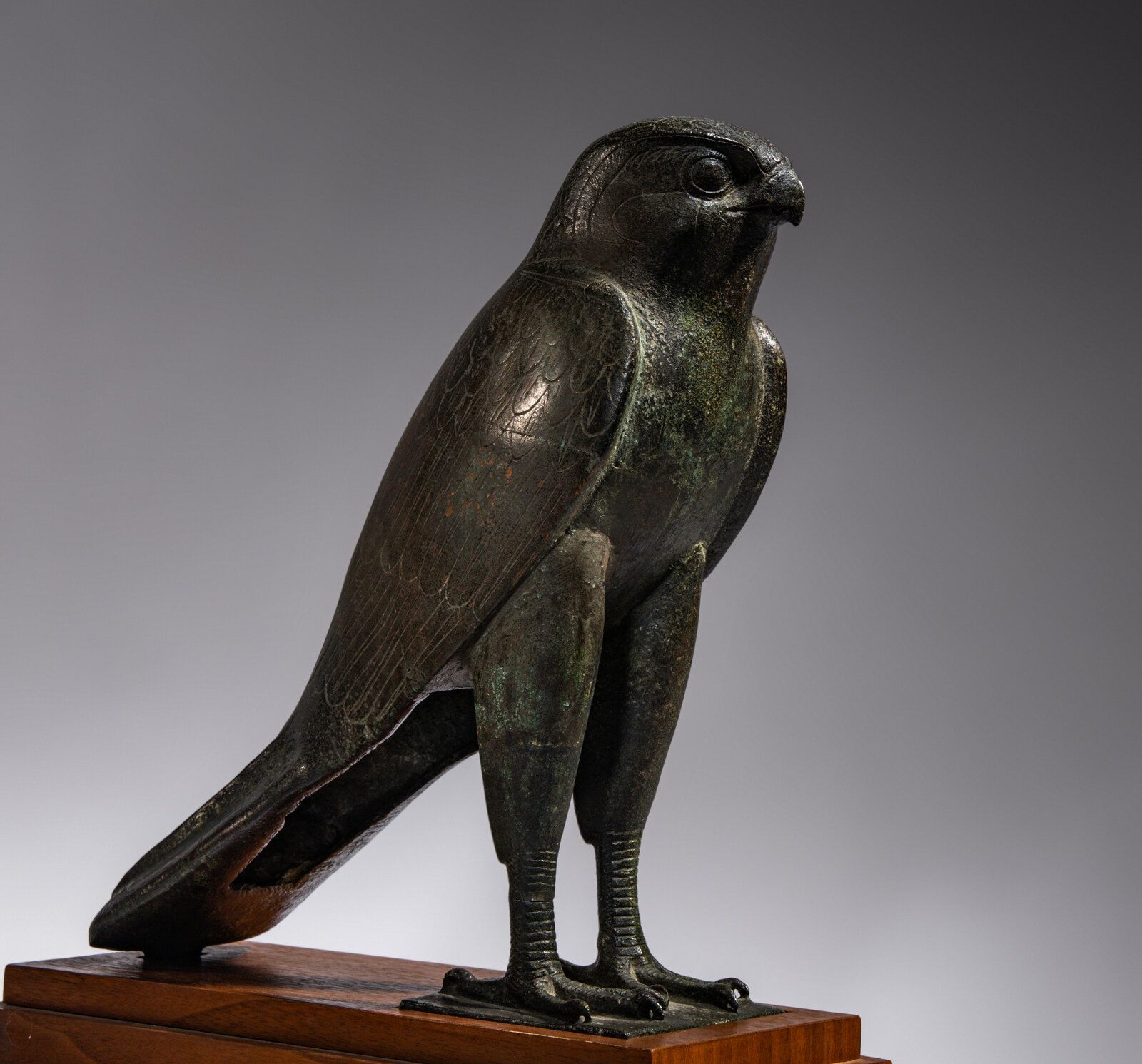
Recent Antiquities and Ancient Art department successes include Property from the Brummer Collection and the white-glove sale of Antiquities of the Garden: A Collector's Living Ancient World with sale highlights including an Egyptian Bronze Falcon ($217,600), a Phoenician Gold Ceremonial Axe ($115,200), and a Byzantine Silver Plate ($121,600).
Looking to consign?
Interested in selling Antiquities & Ancient Art in one of Freeman’s sales?
Department Categories
Greek and Roman Antiquities
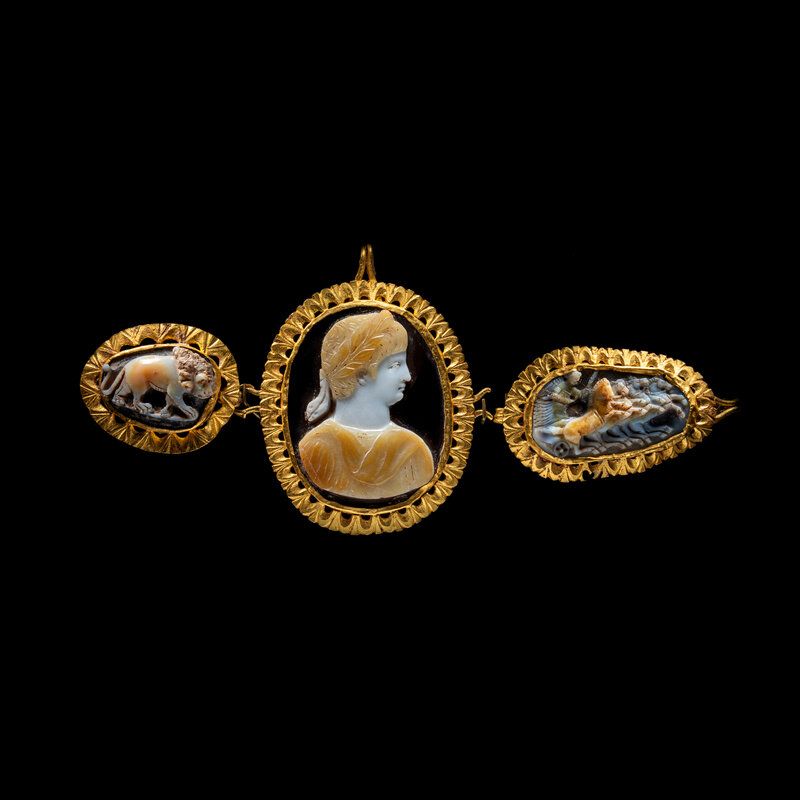
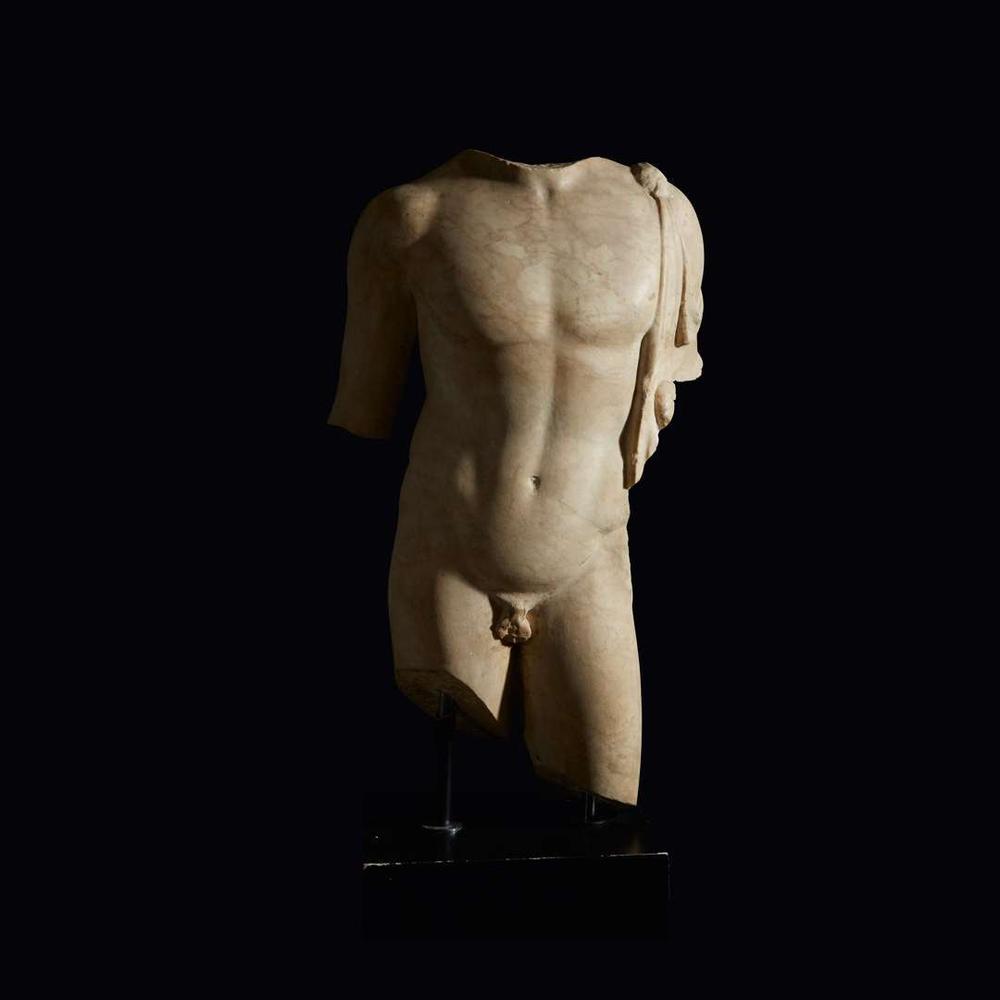
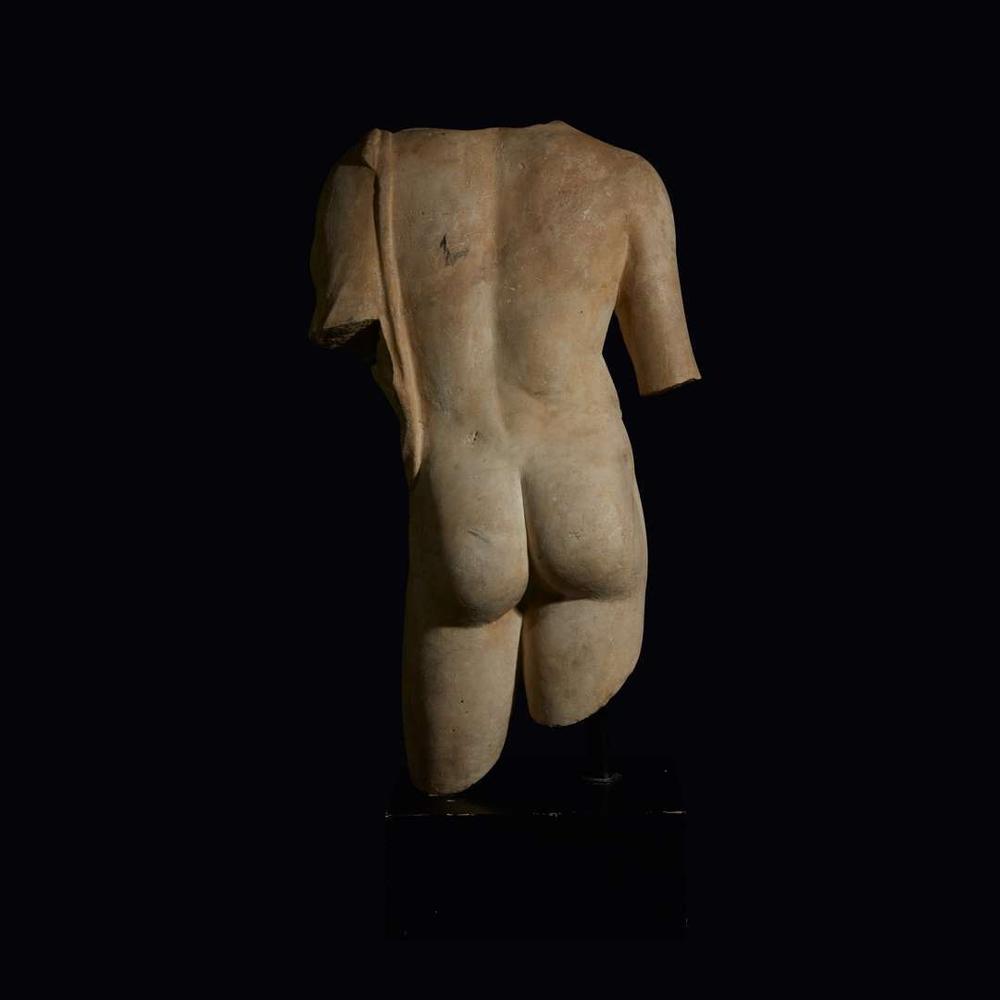
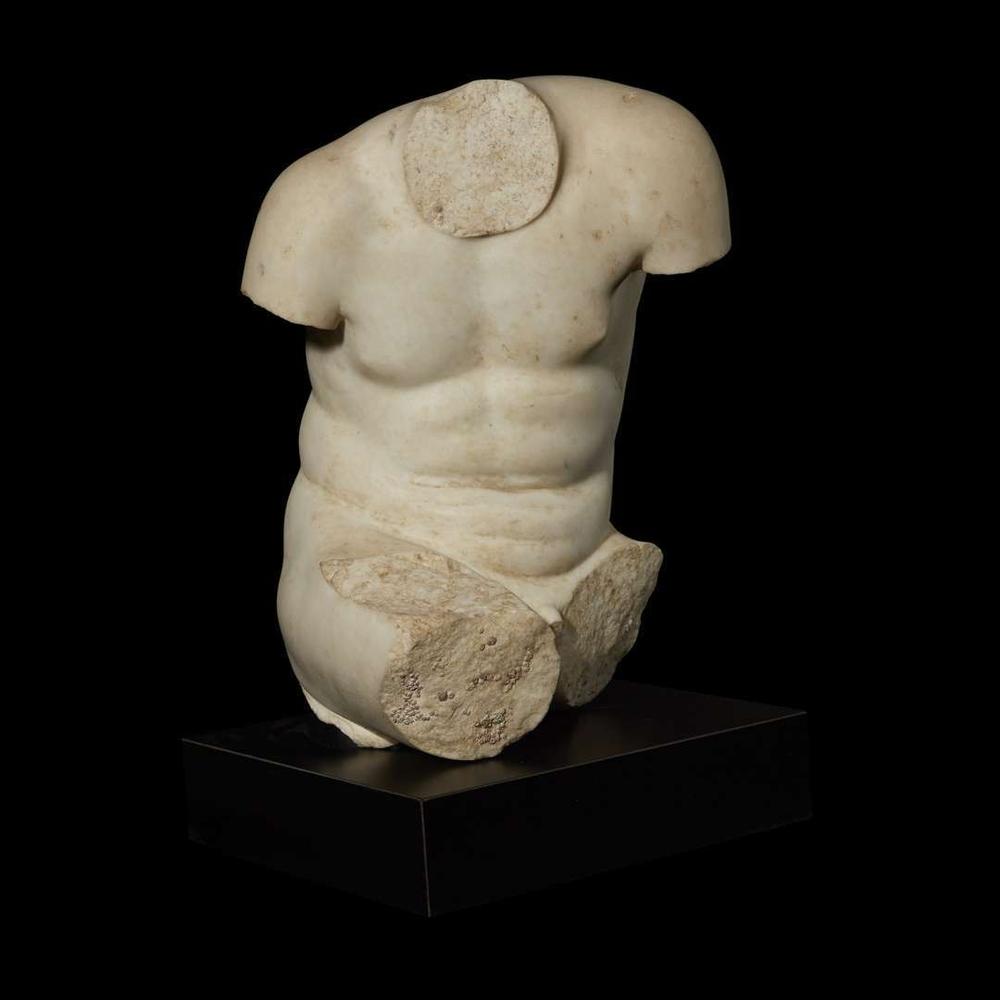
Freeman's offers exceptional Greek and Roman antiquities that illuminate the art, culture, and daily life of the ancient Mediterranean world. Our specialists present sculptures, pottery, glass, bronzes, coins, and decorative objects spanning the Classical, Hellenistic, and Roman periods. Whether acquiring a finely preserved vessel, a sculptural fragment, or something else, collectors can discover works that reflect the enduring influence of ancient Greece and Rome on art, history, and civilization.
Department highlights
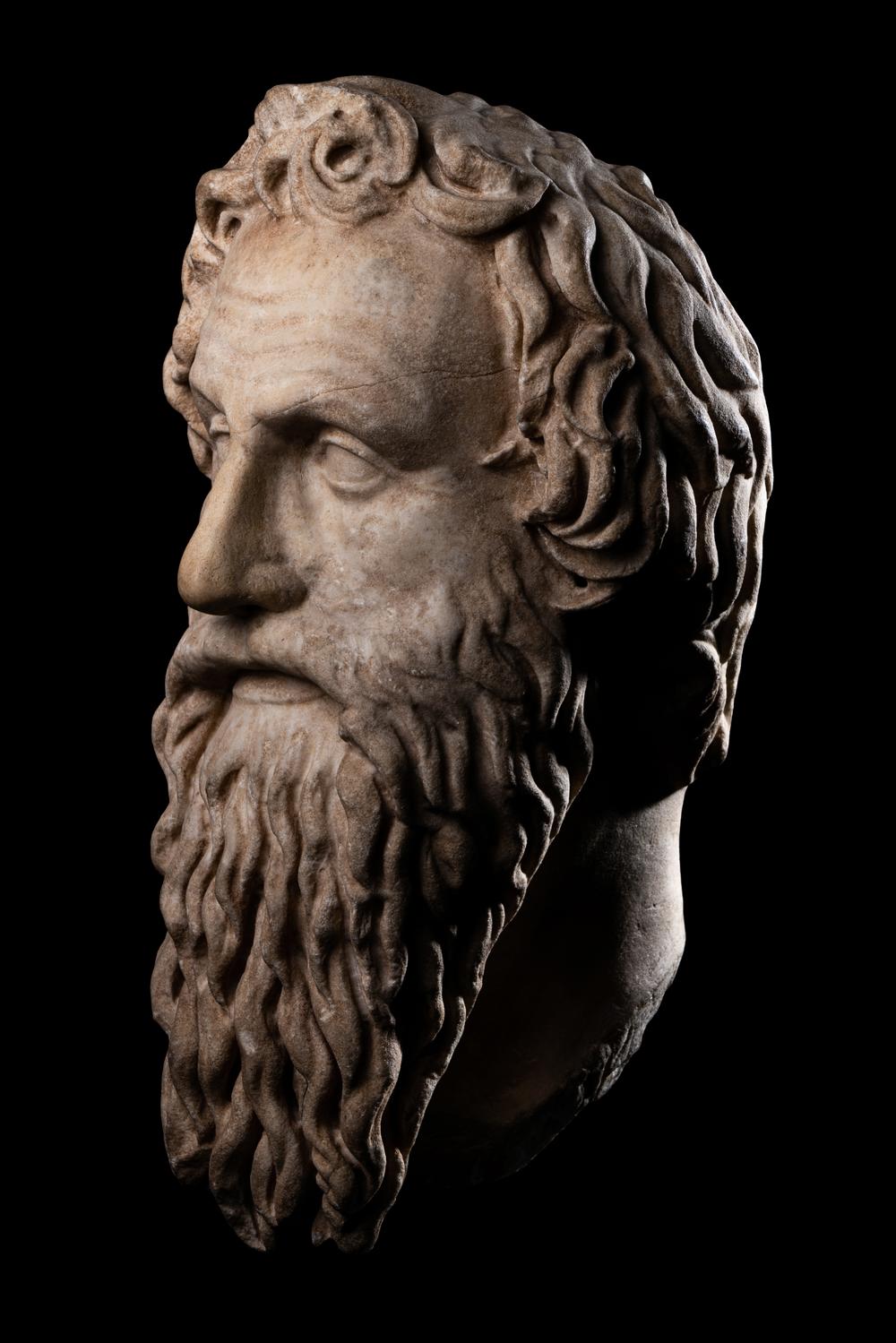
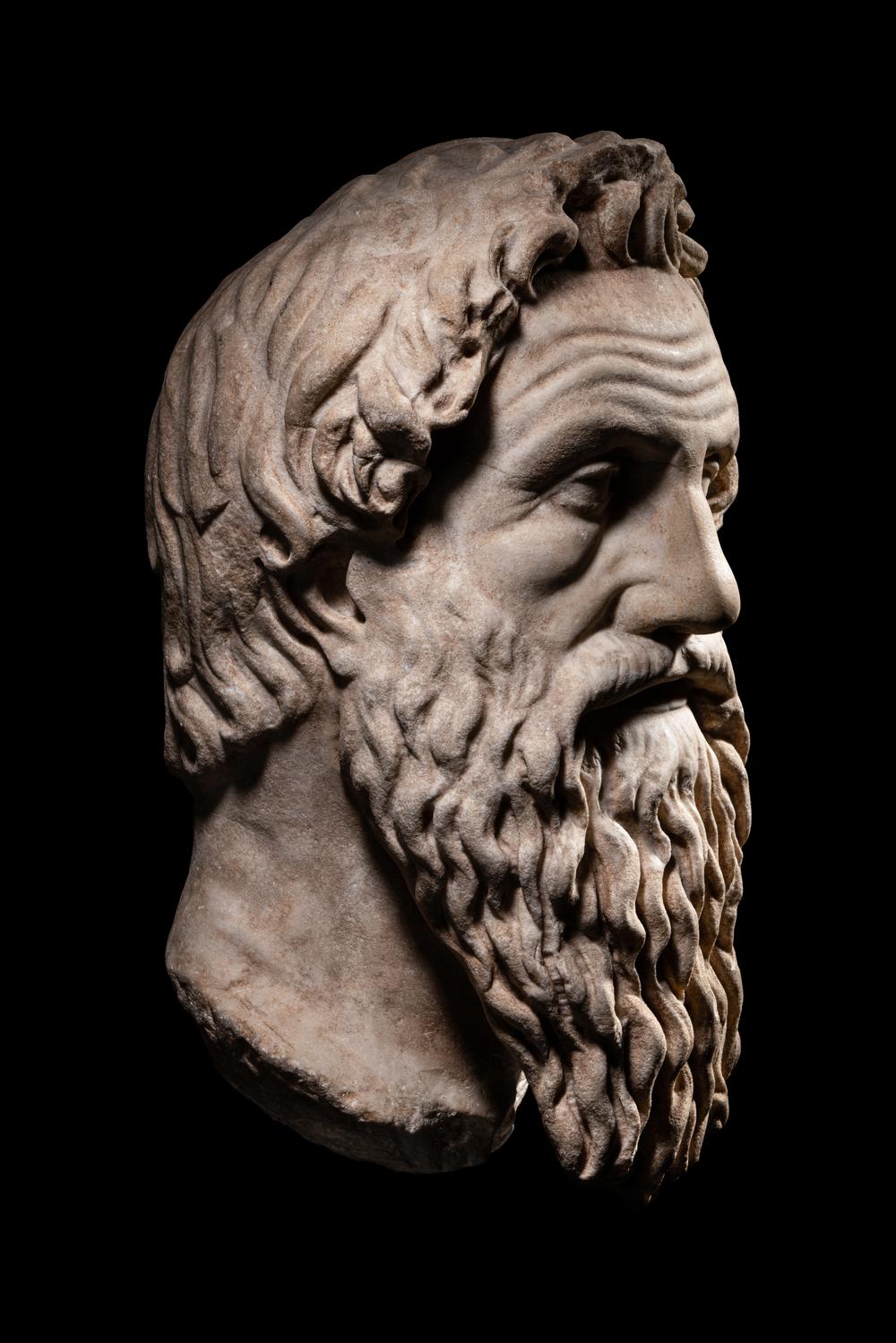
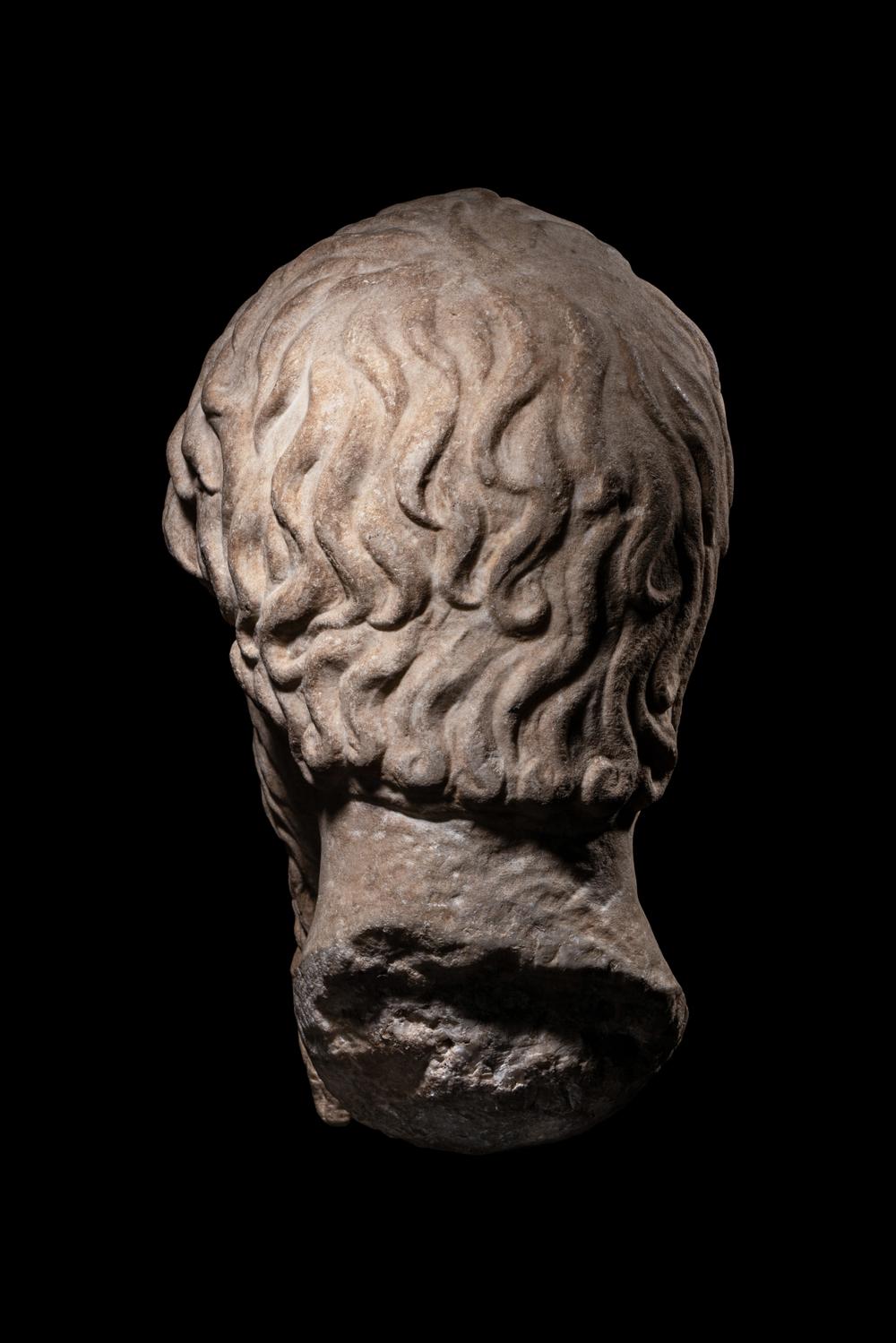
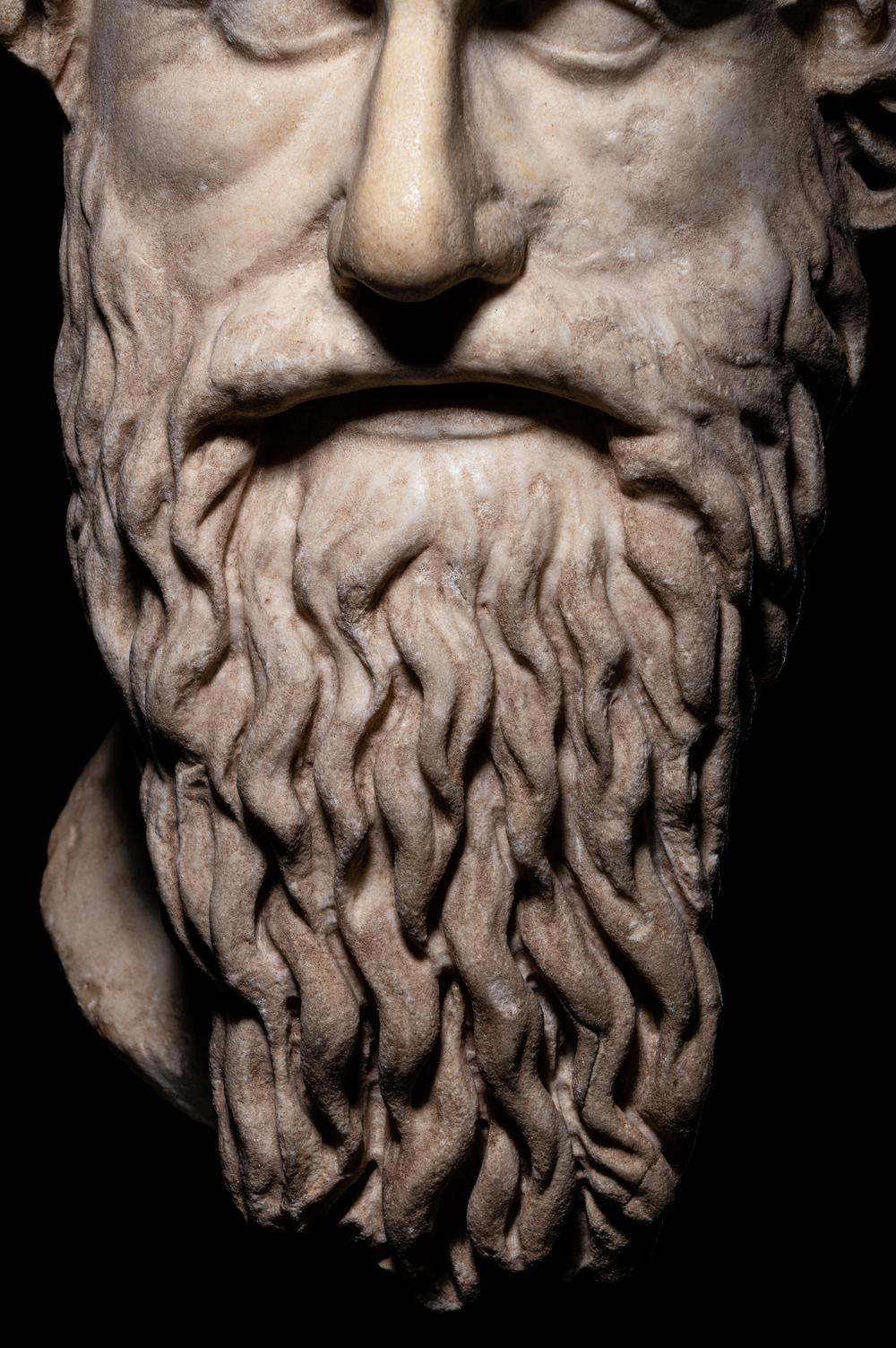
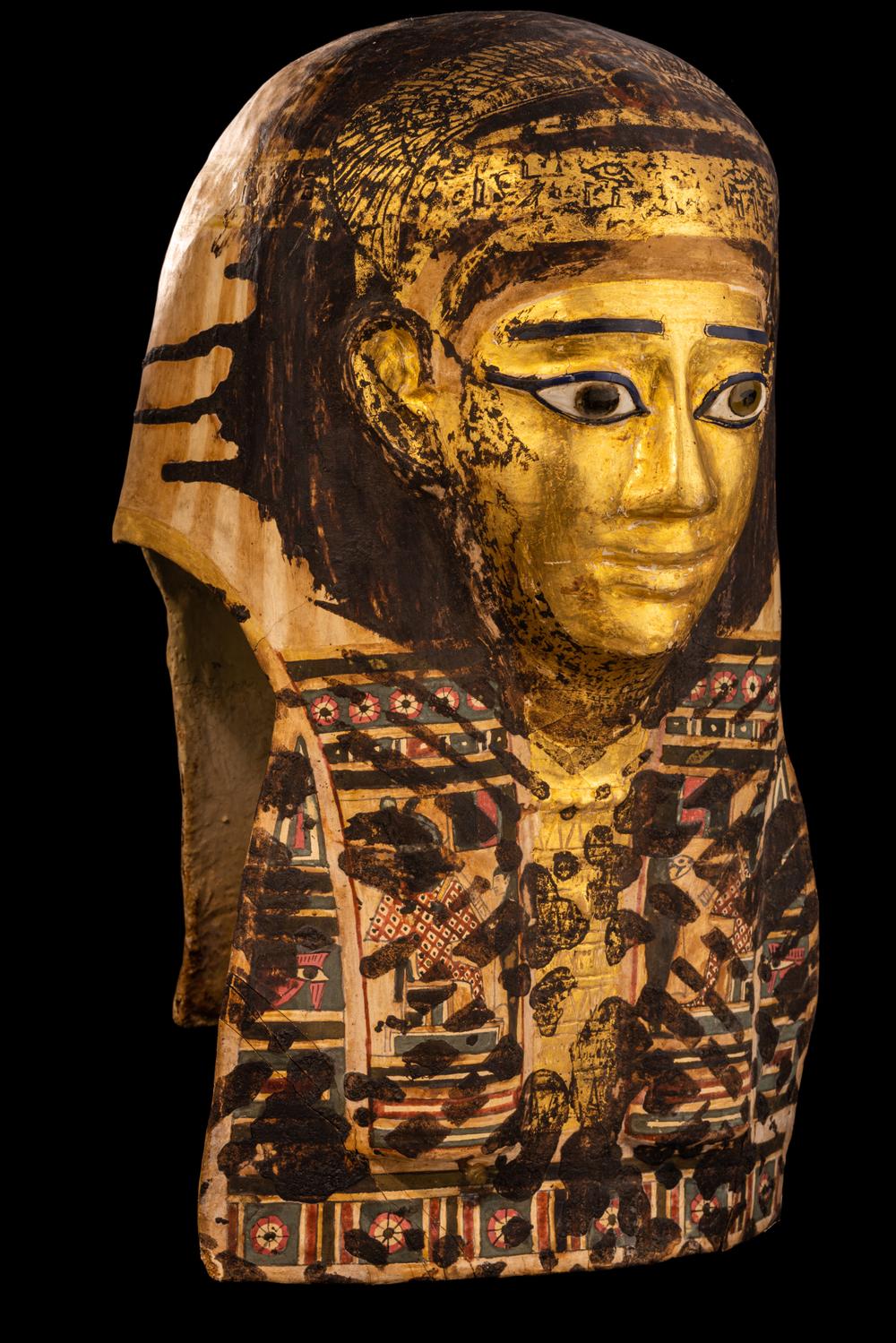
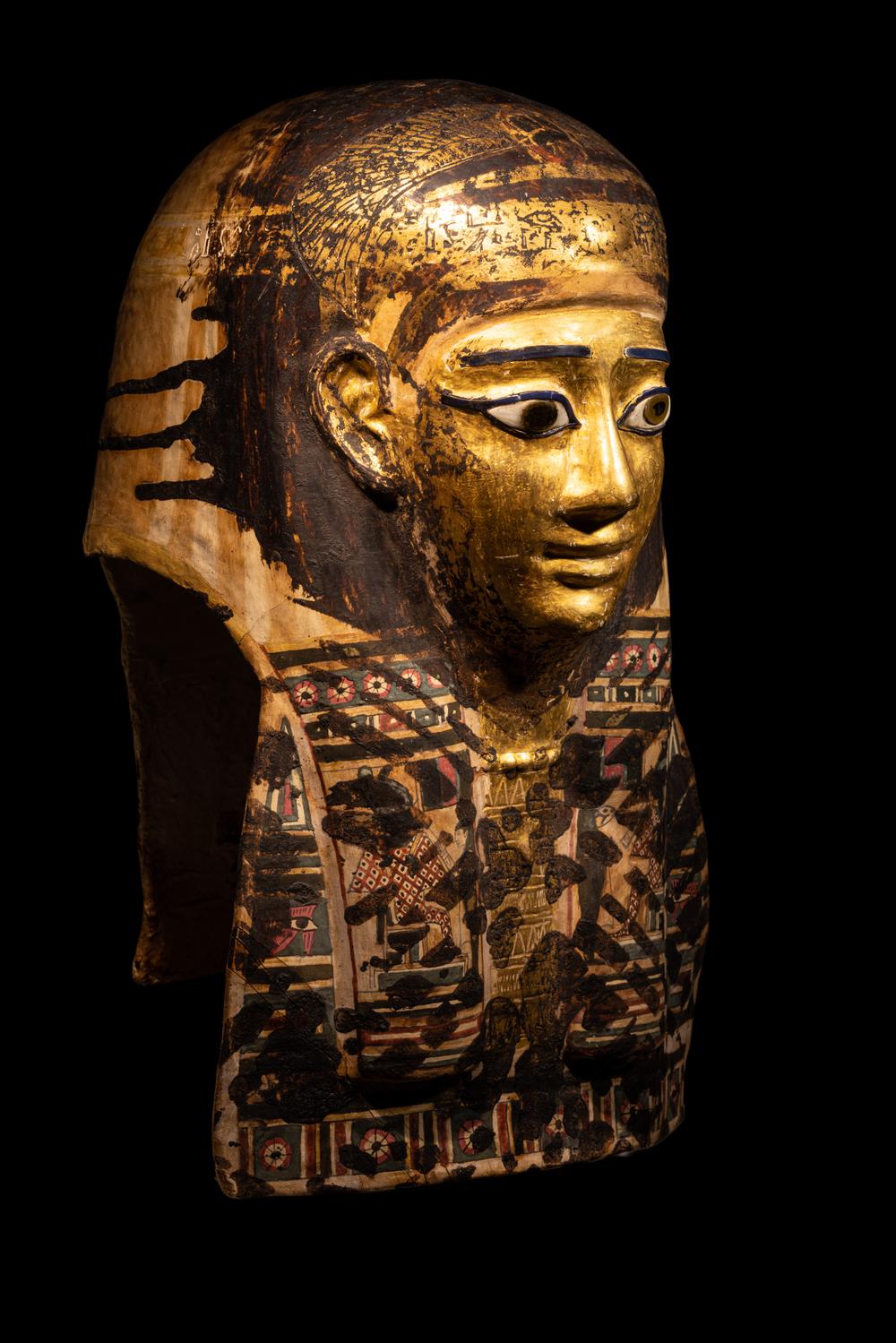
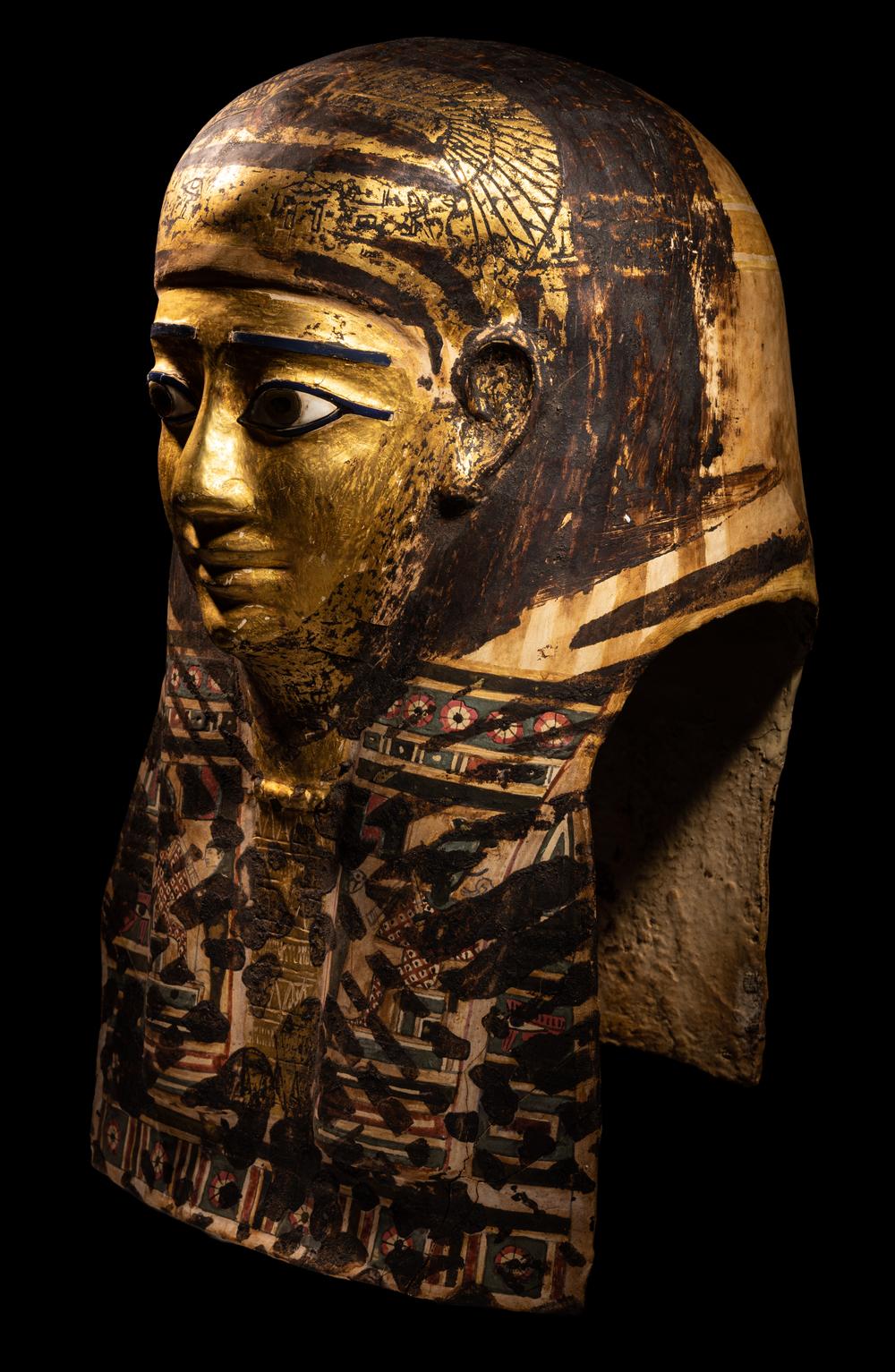
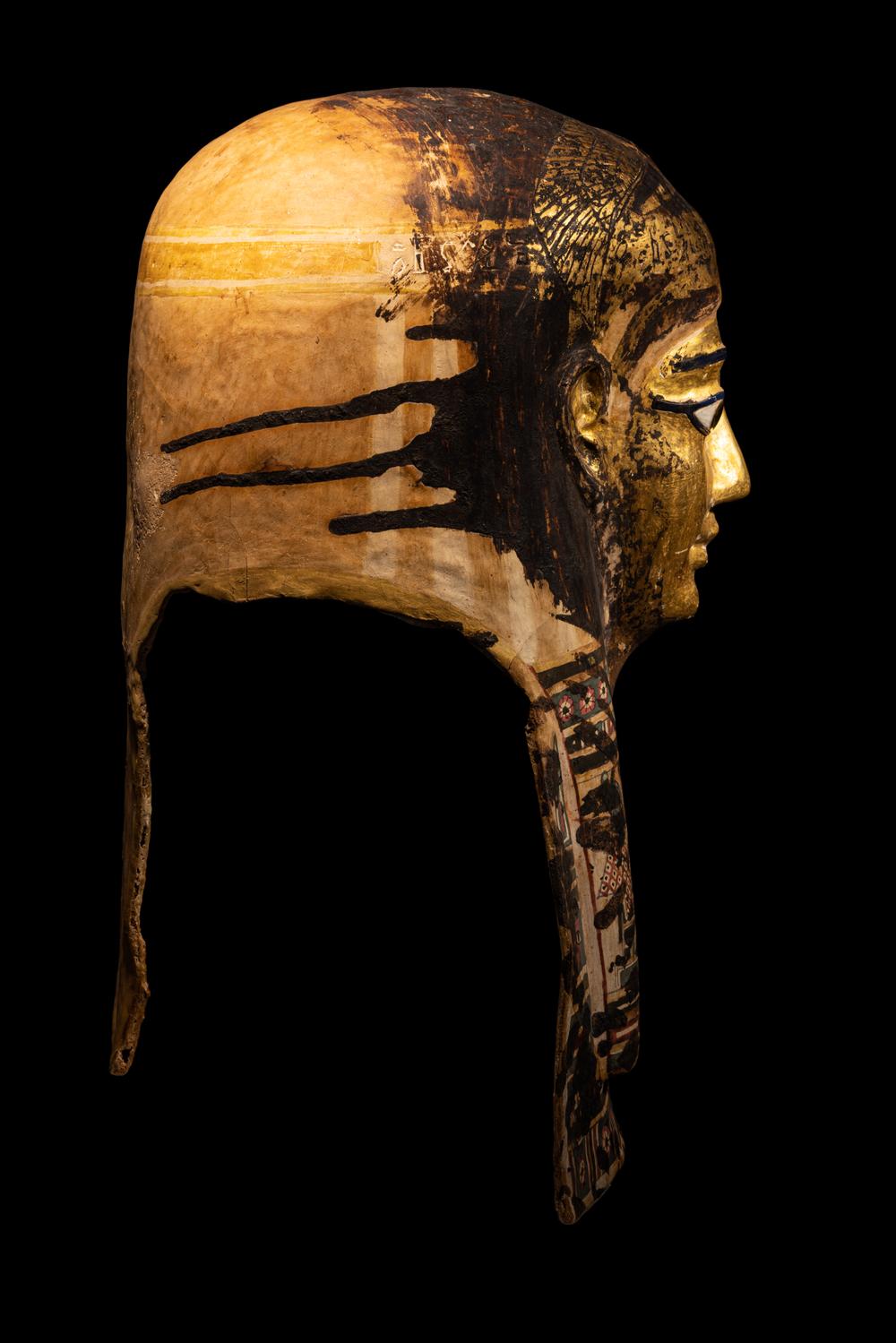
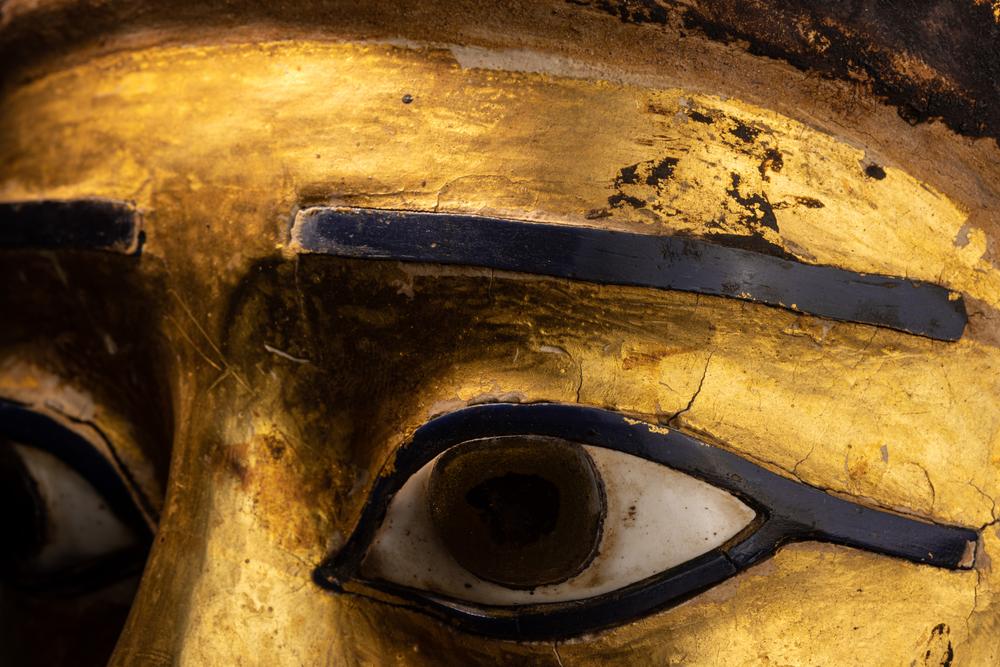
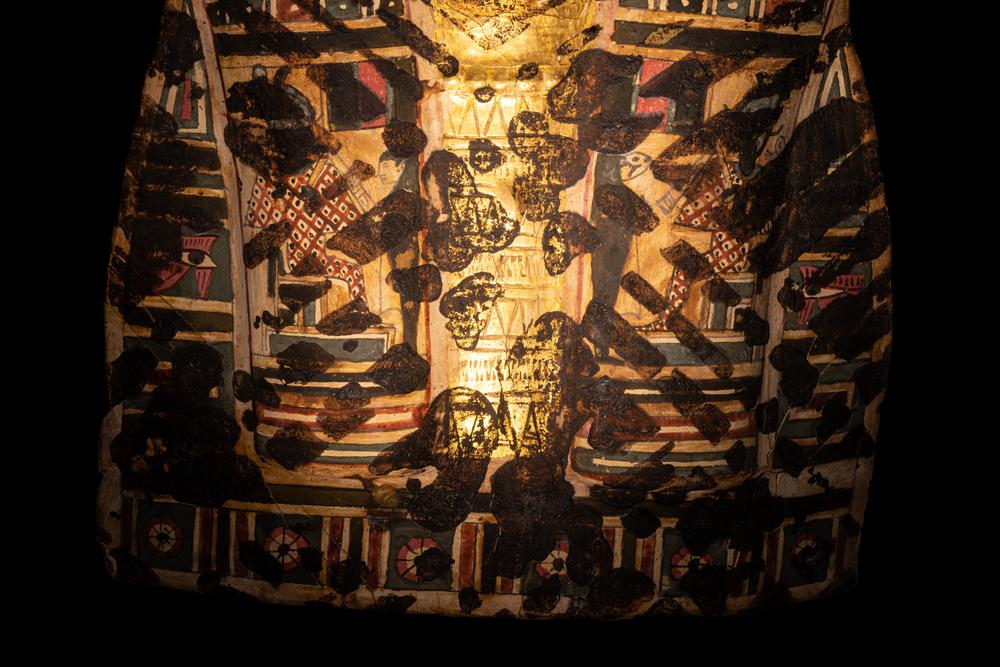
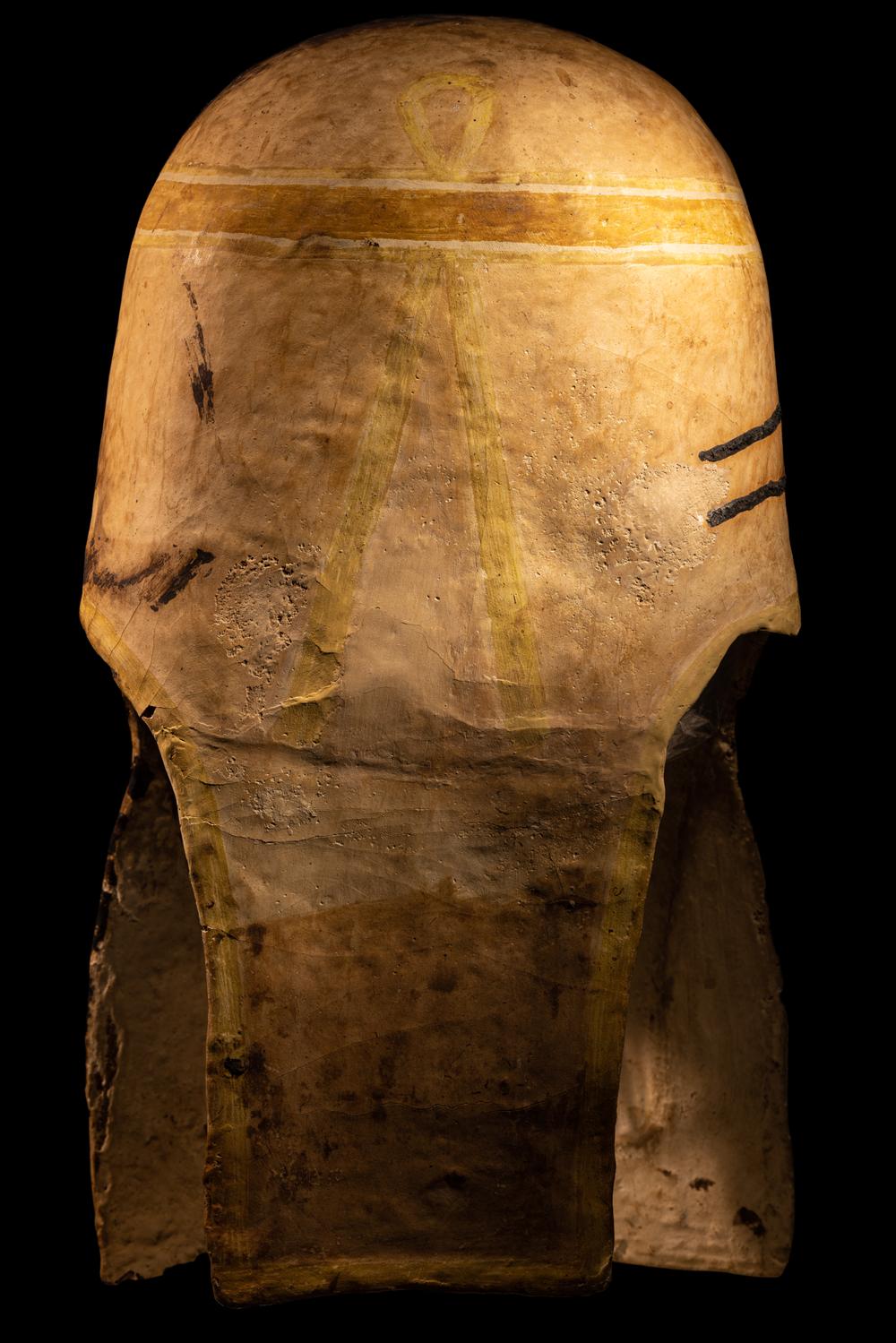
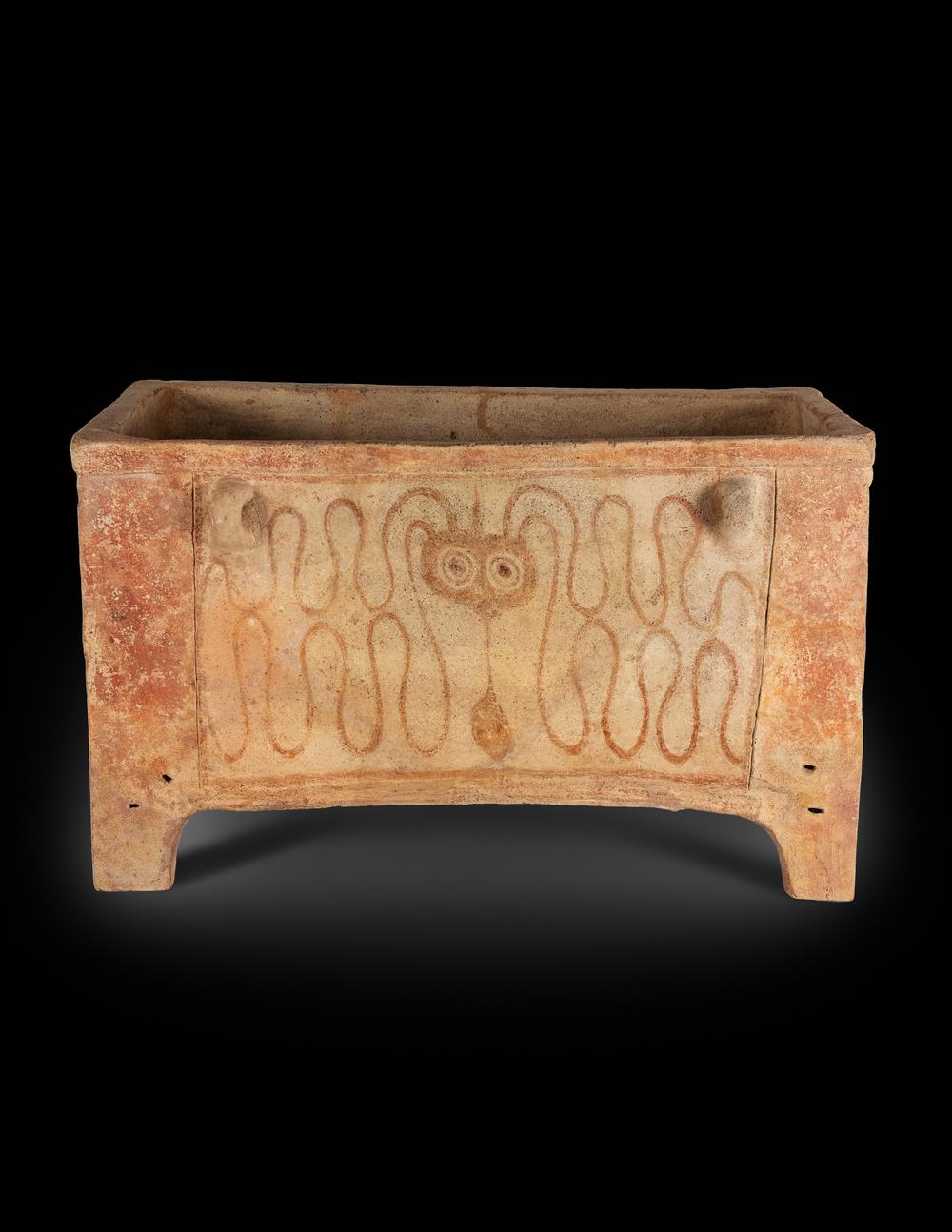
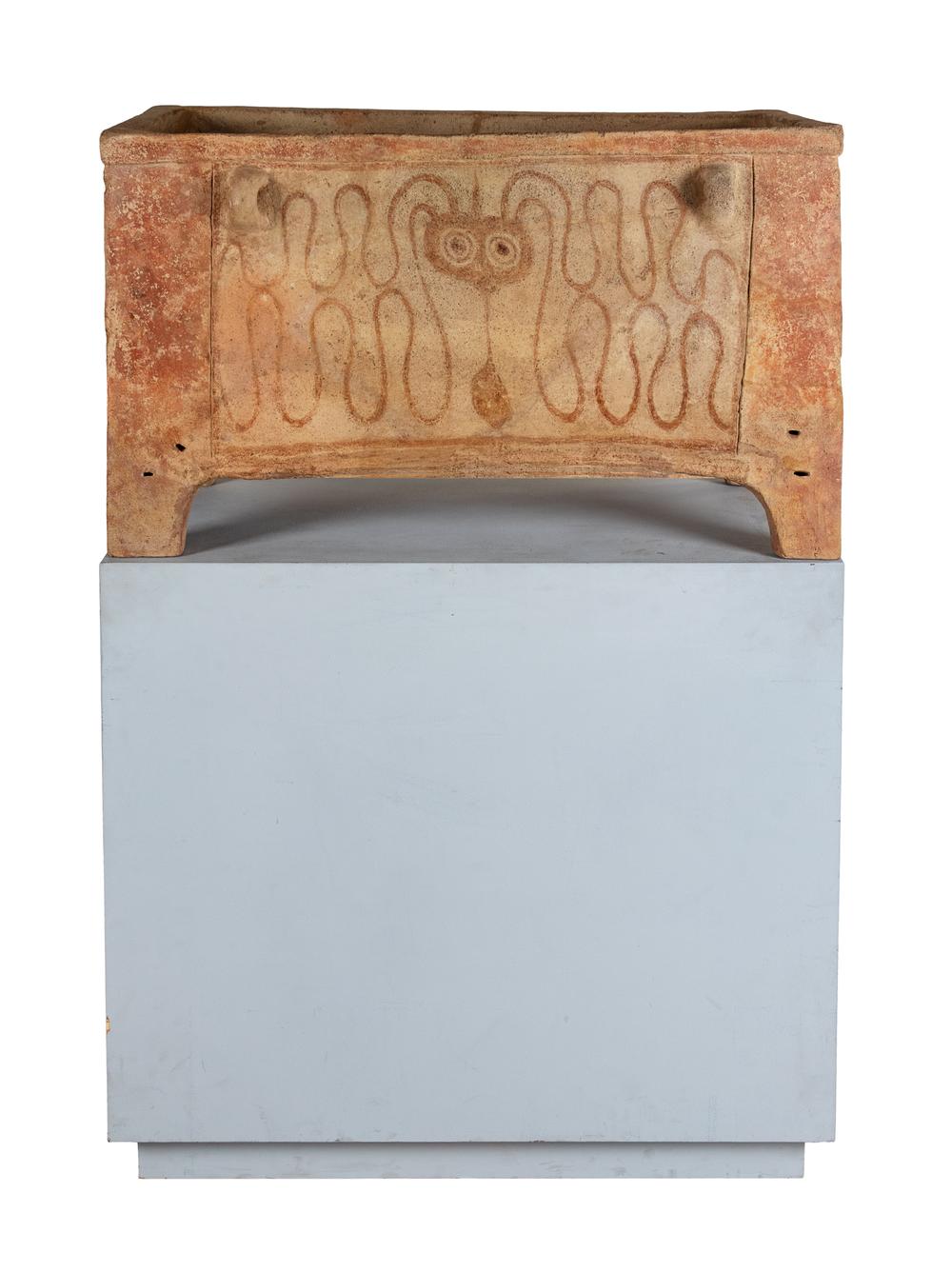
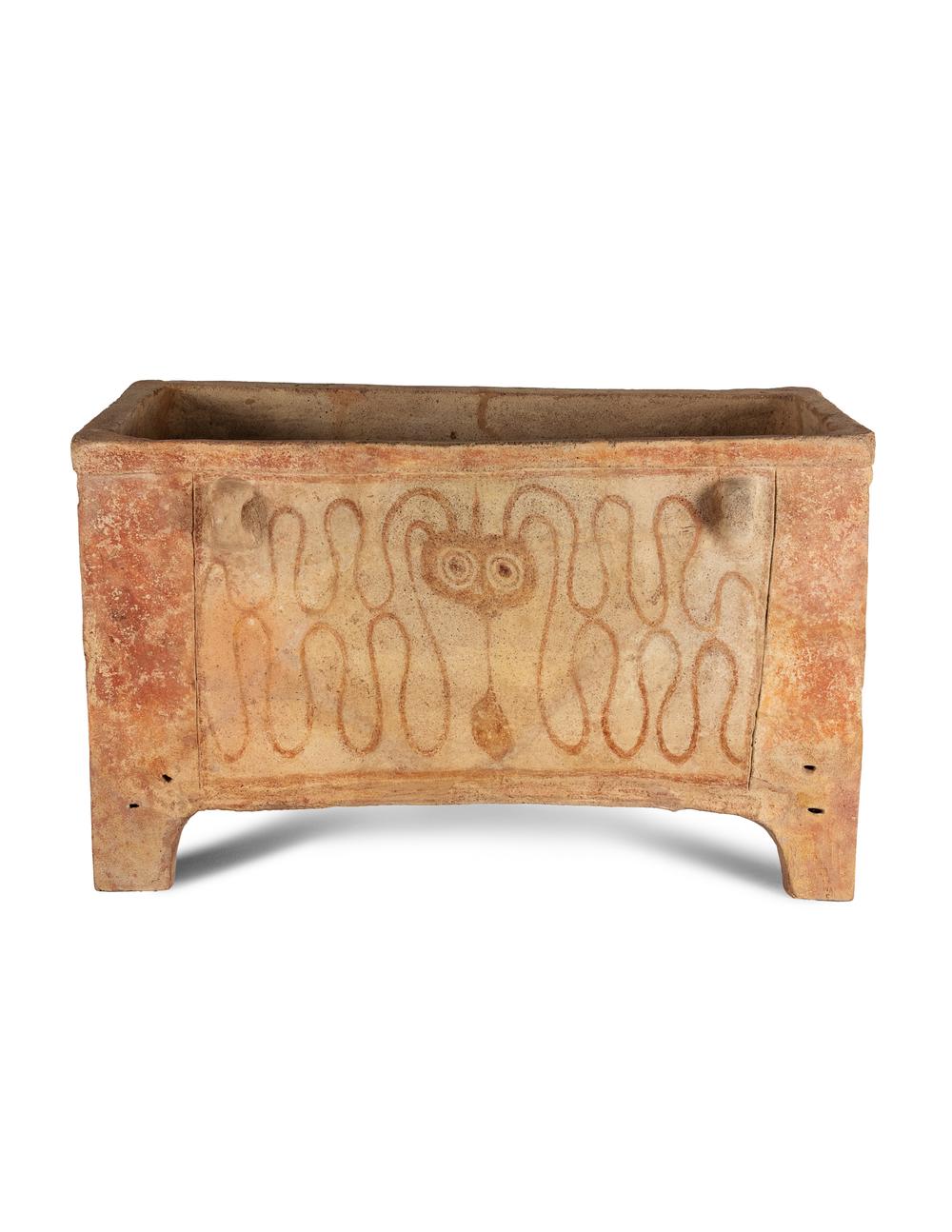
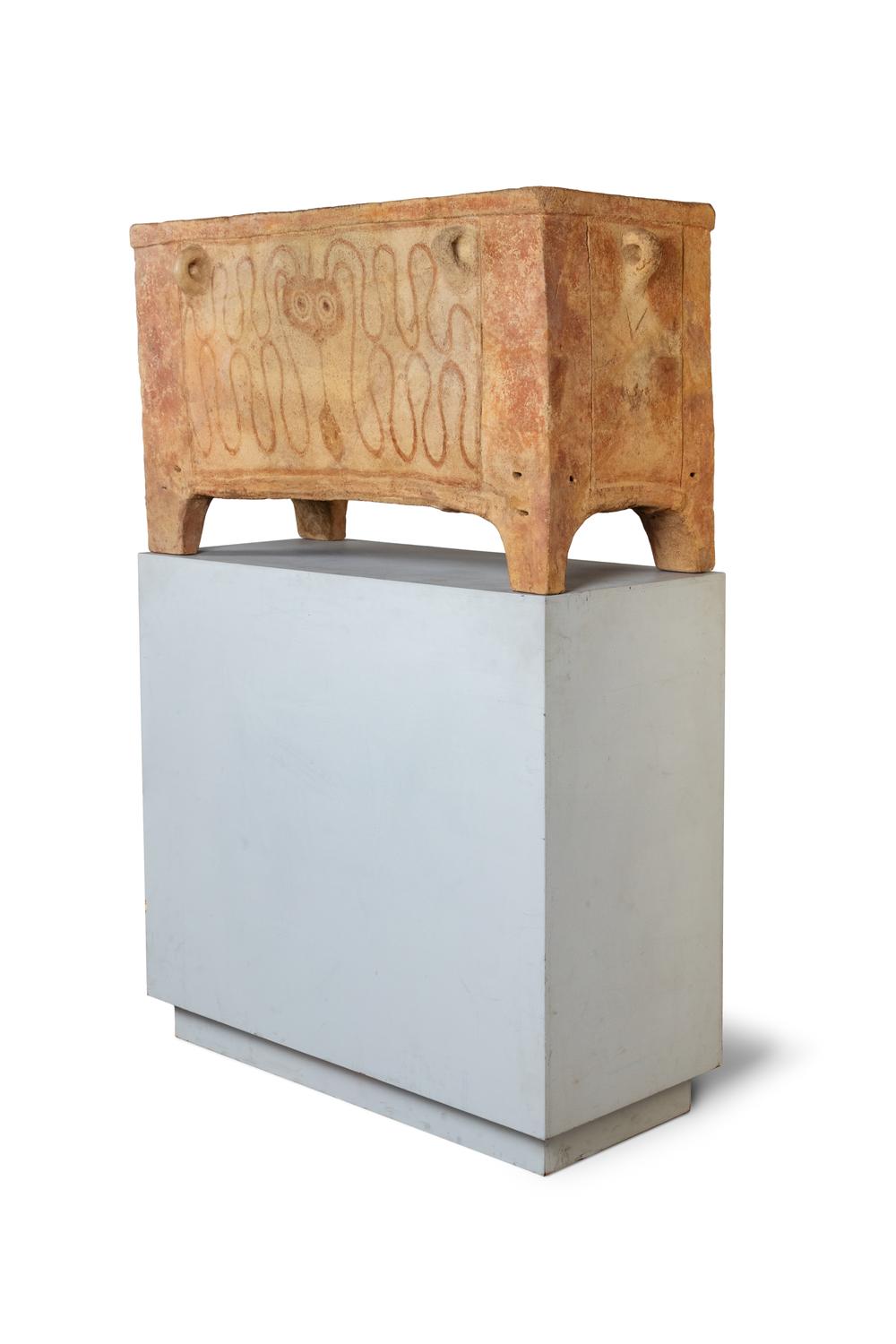
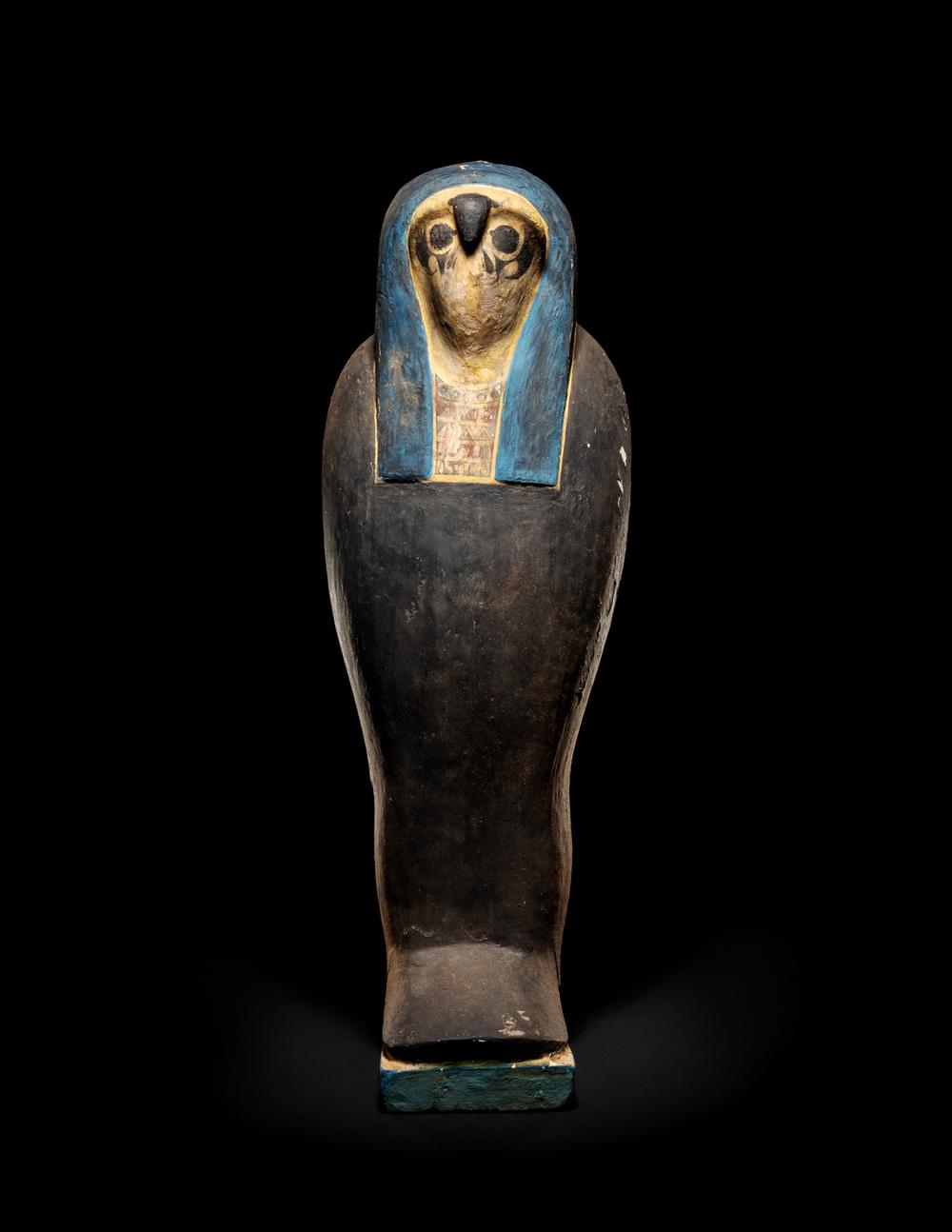
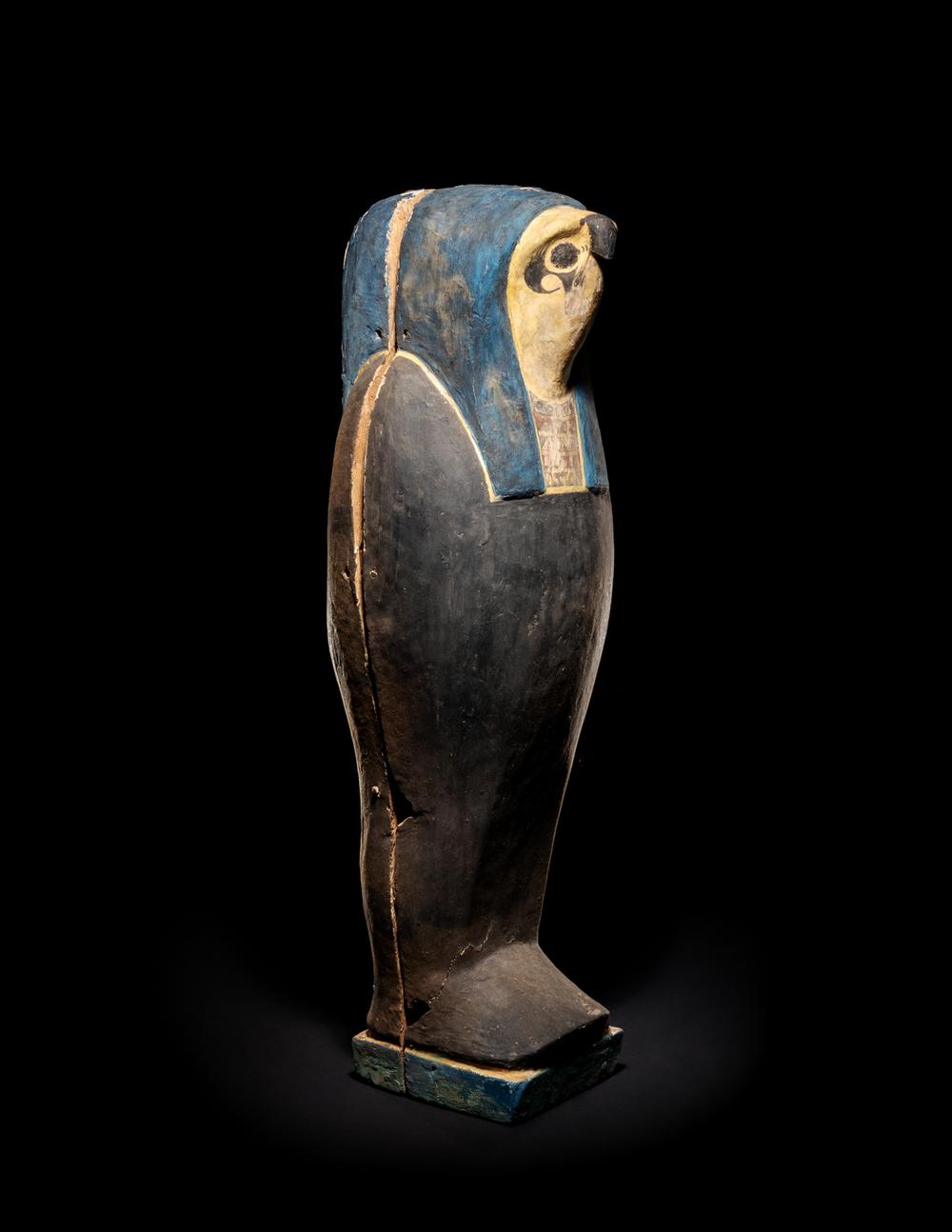
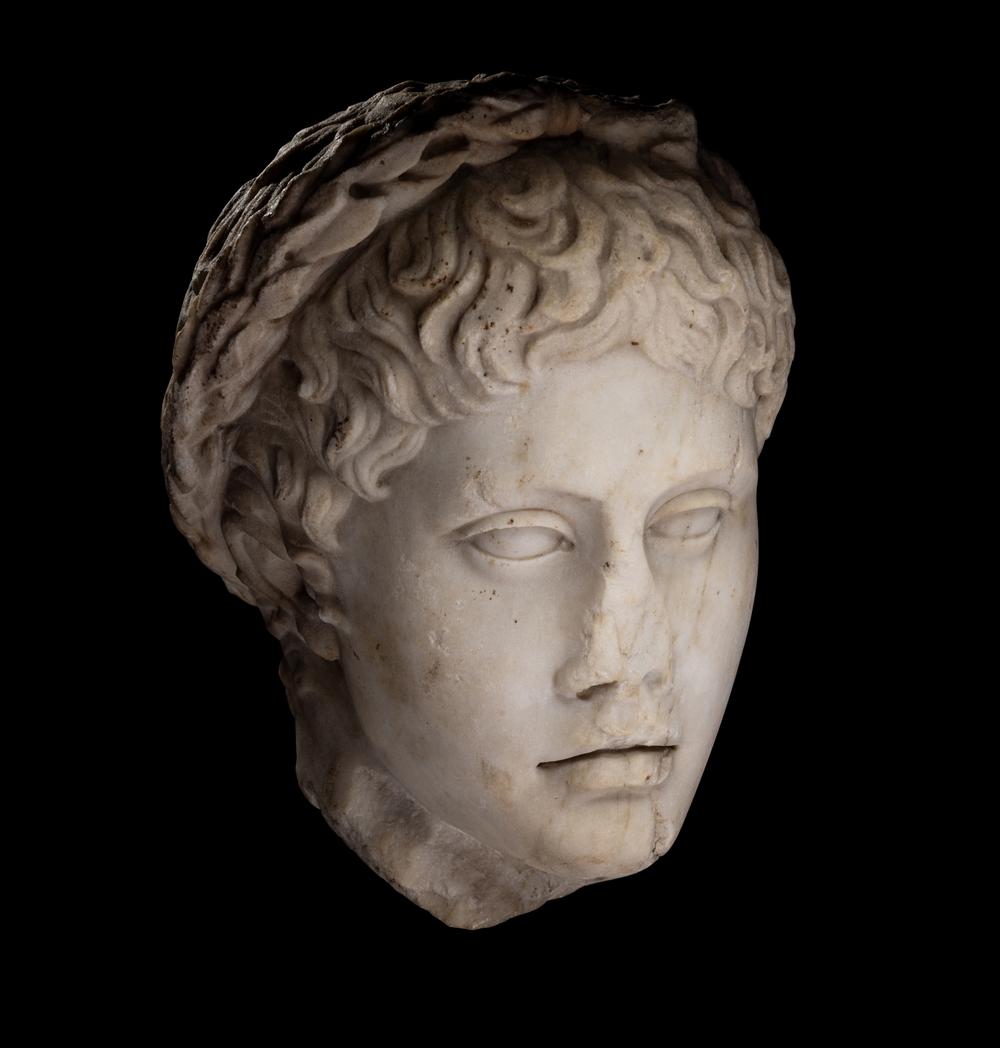
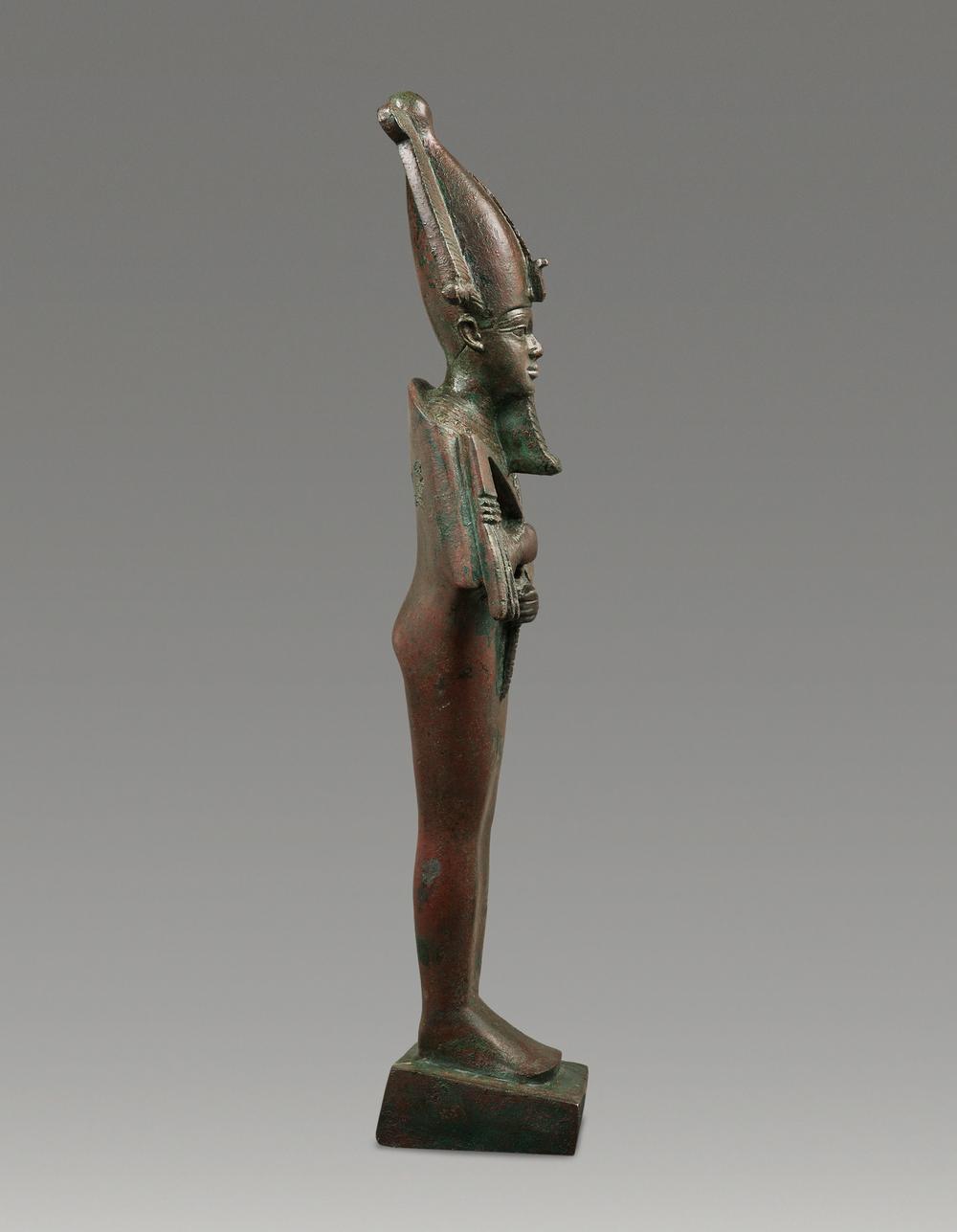
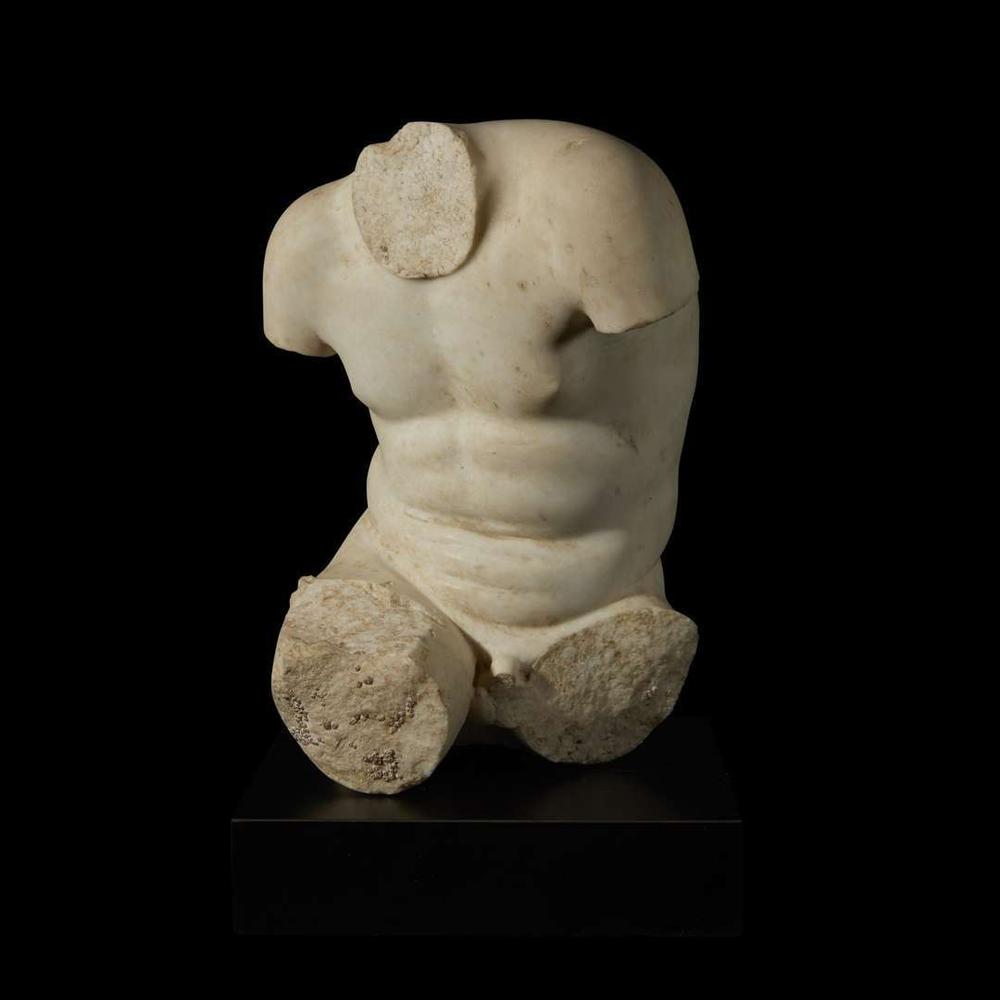
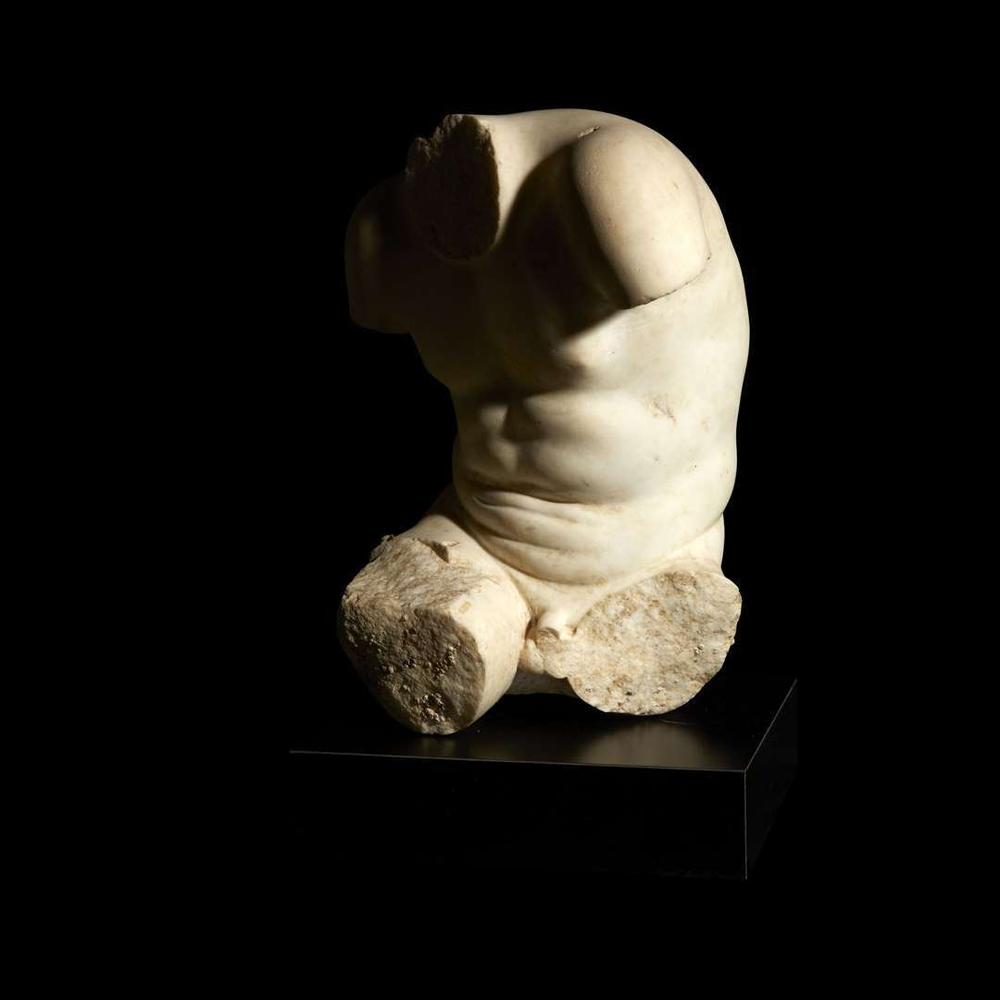
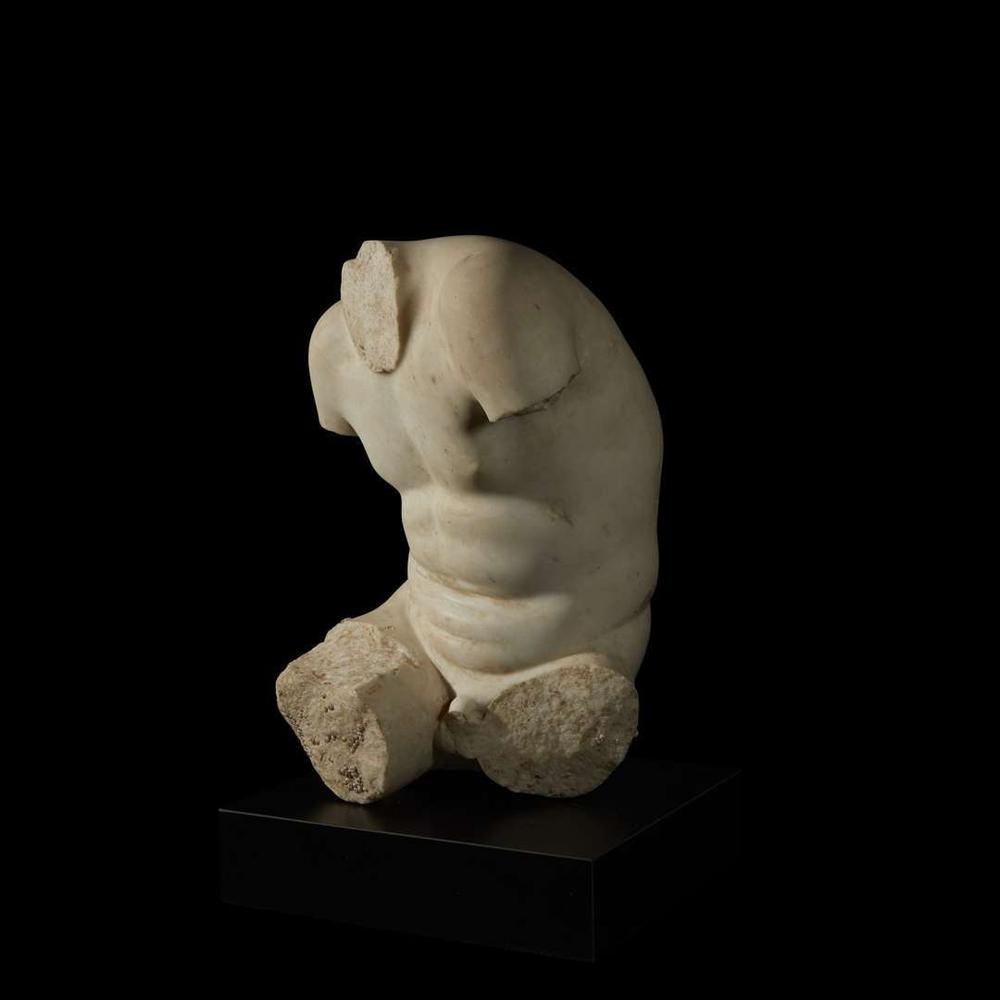
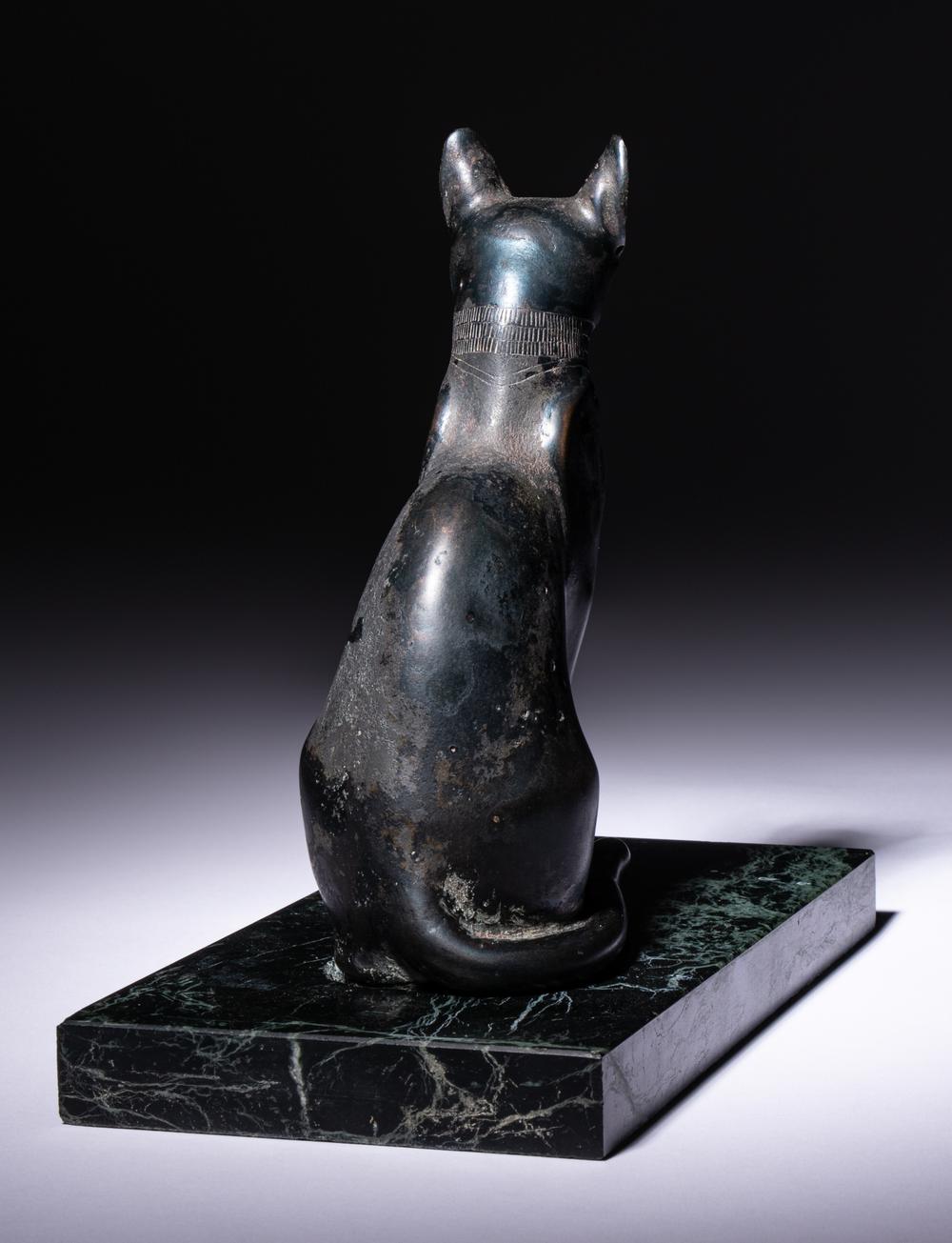
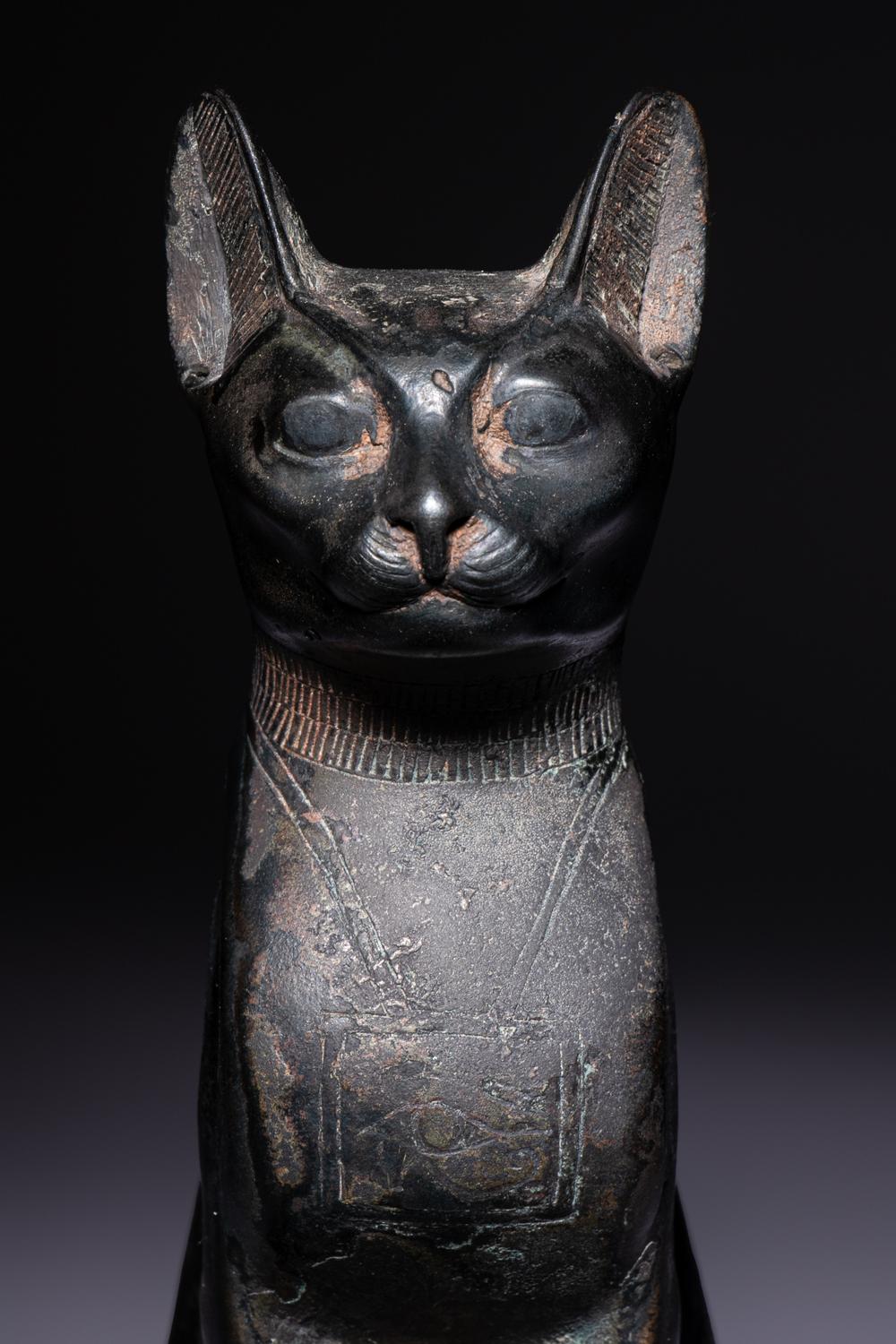
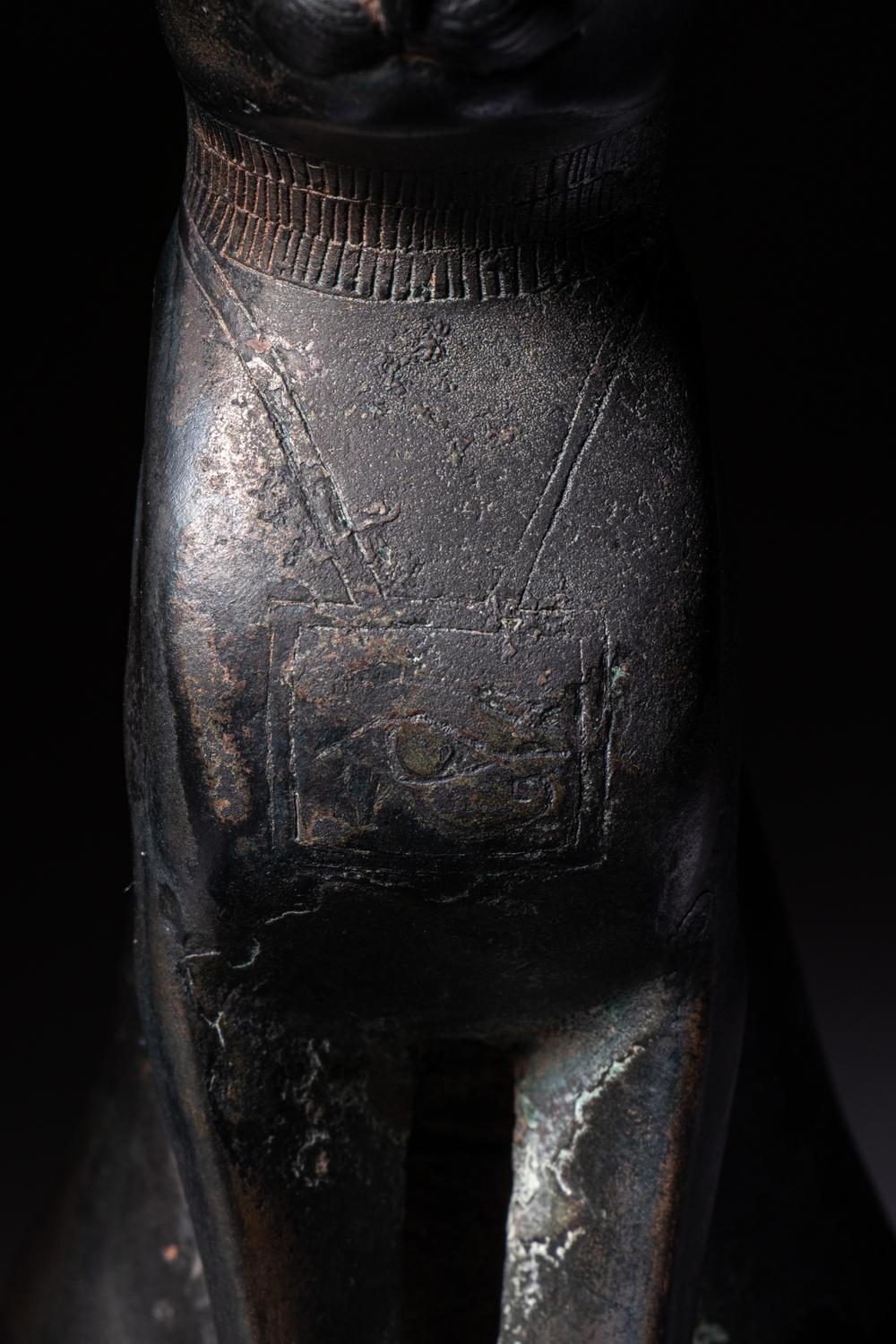
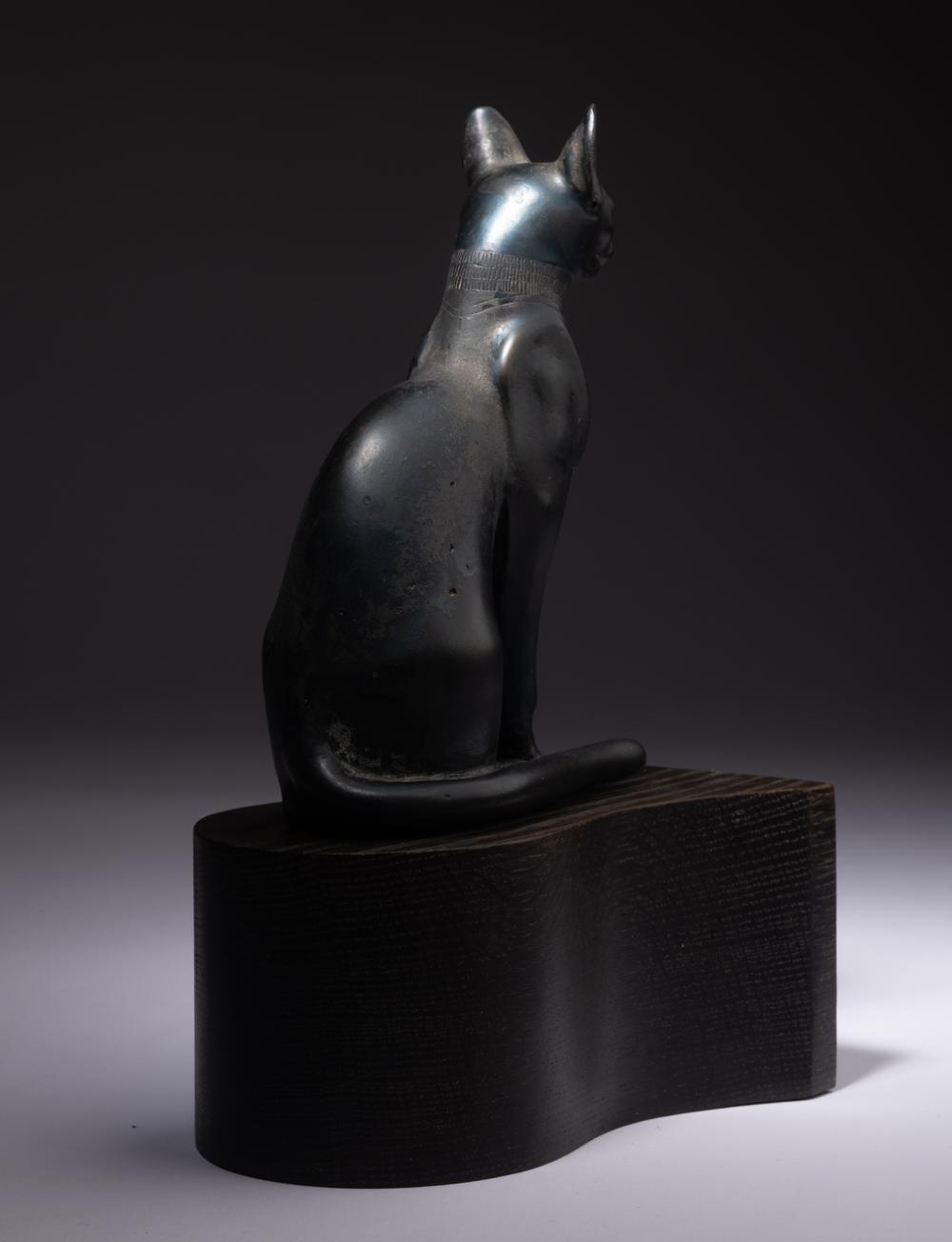
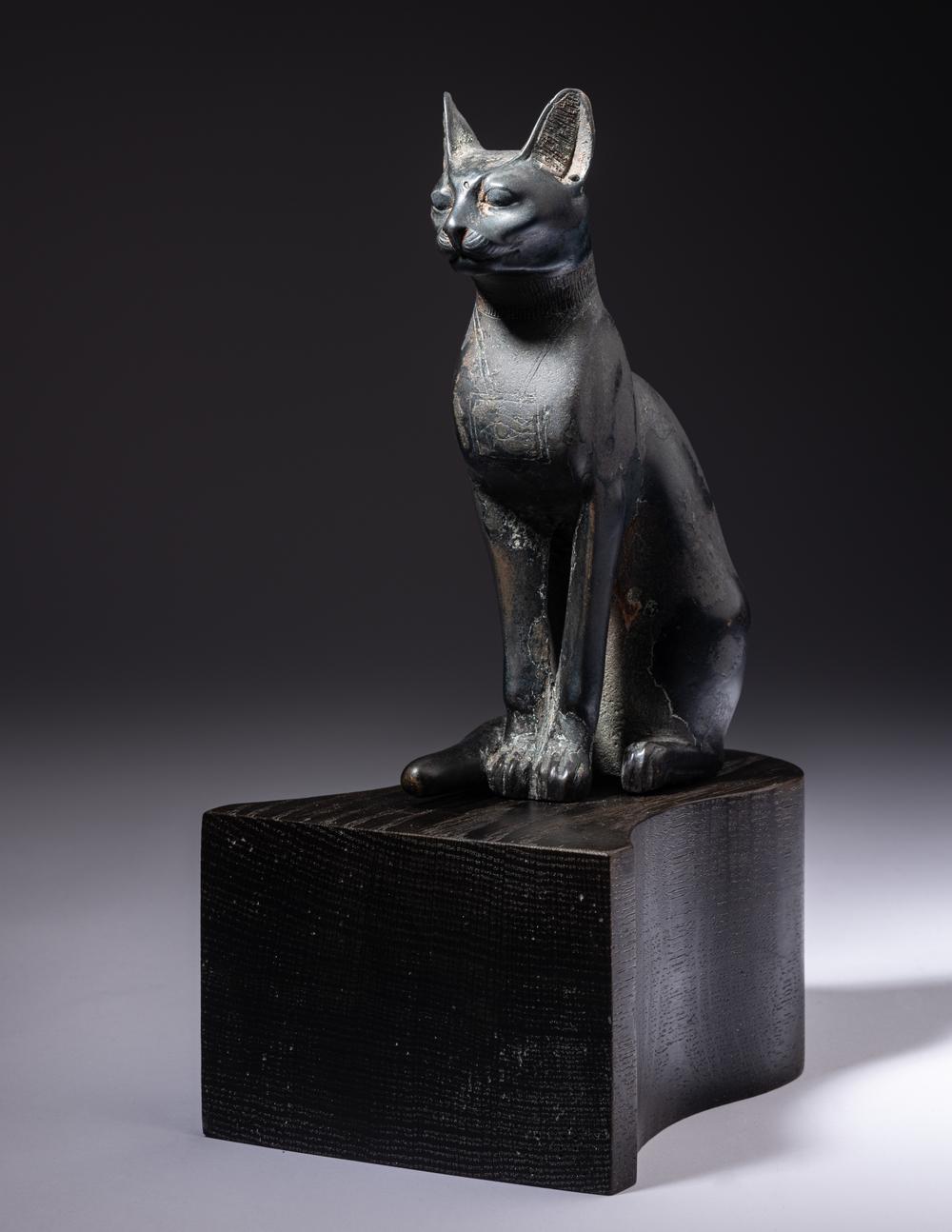
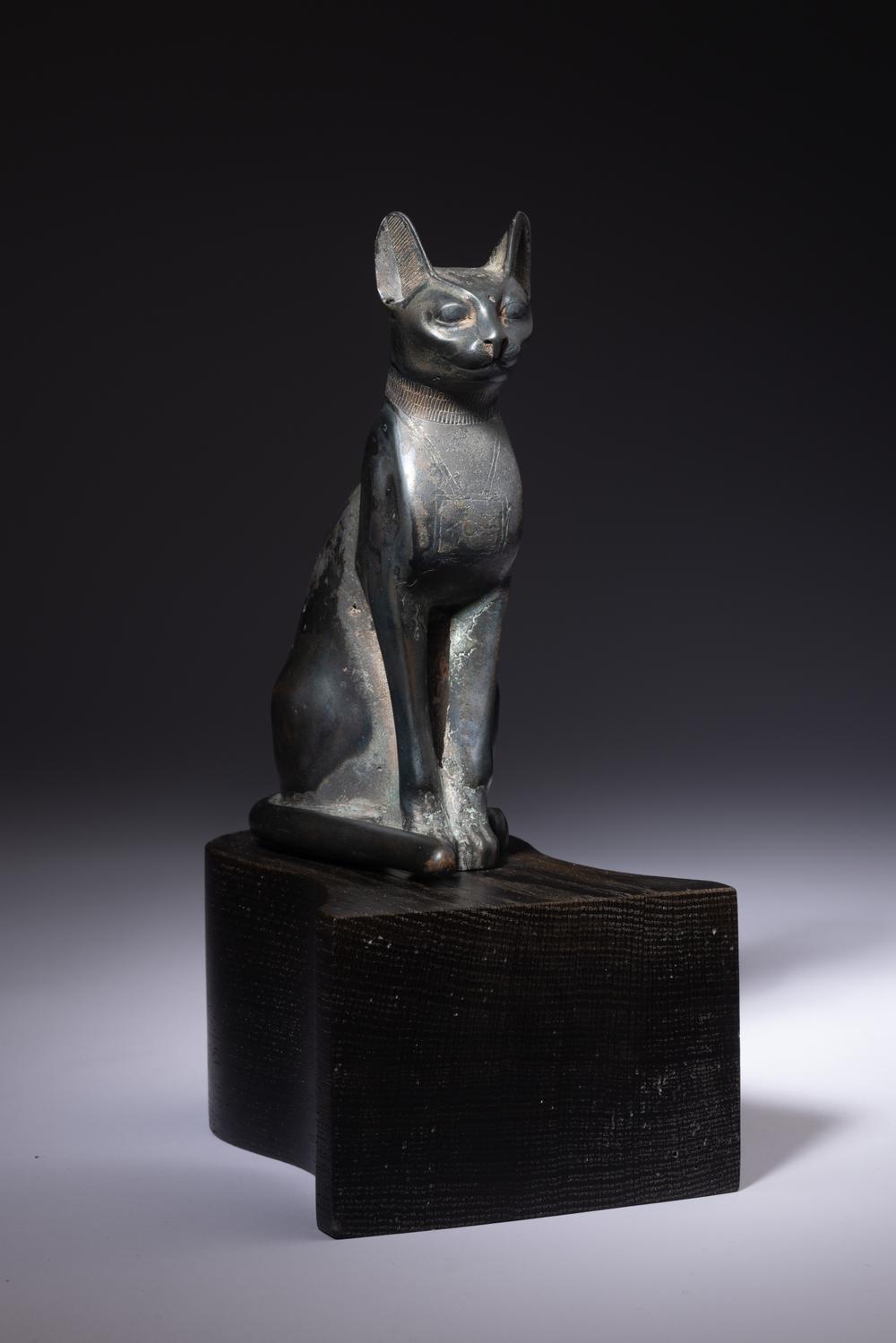
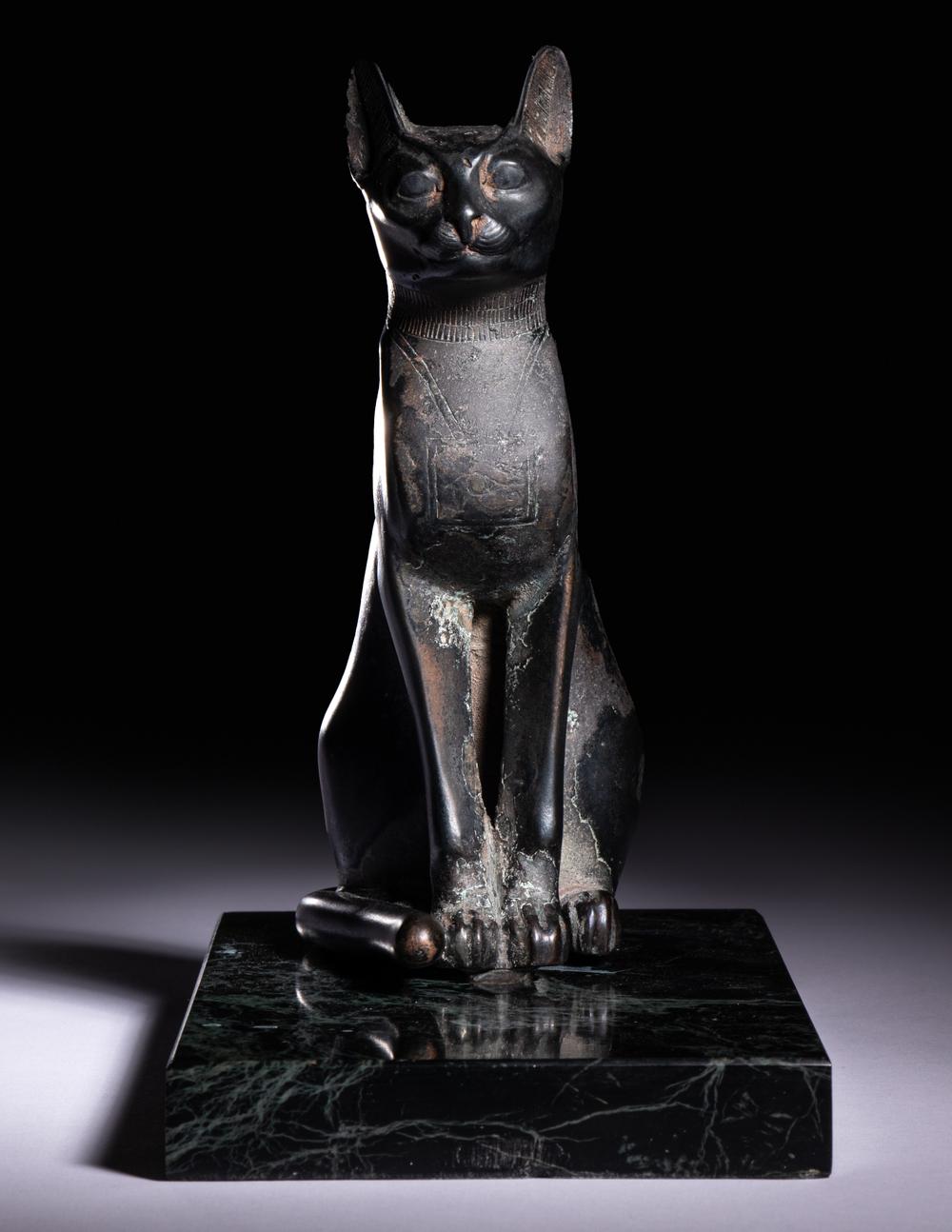
Sell with Confidence.
Get a complimentary valuation from one of our specialists.
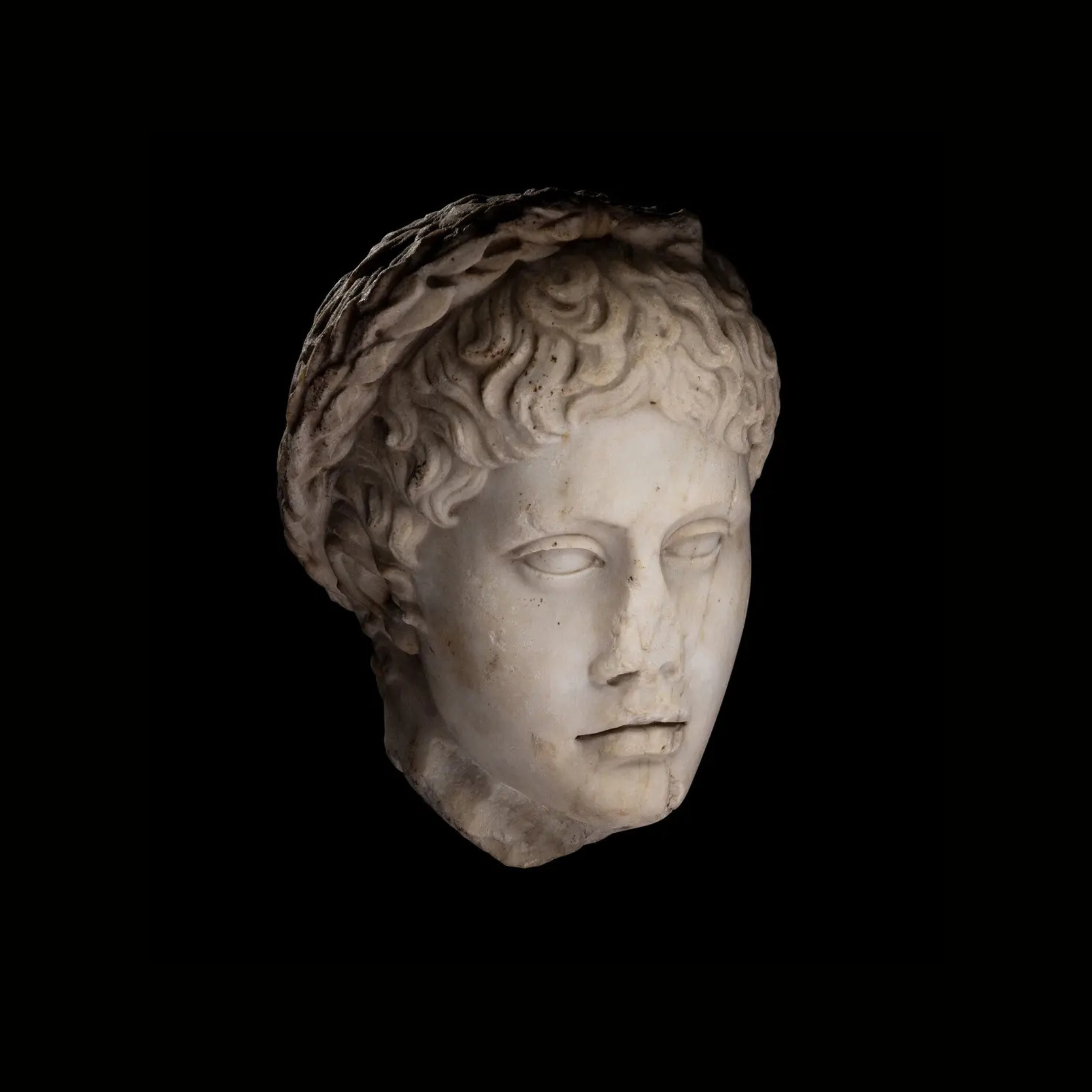
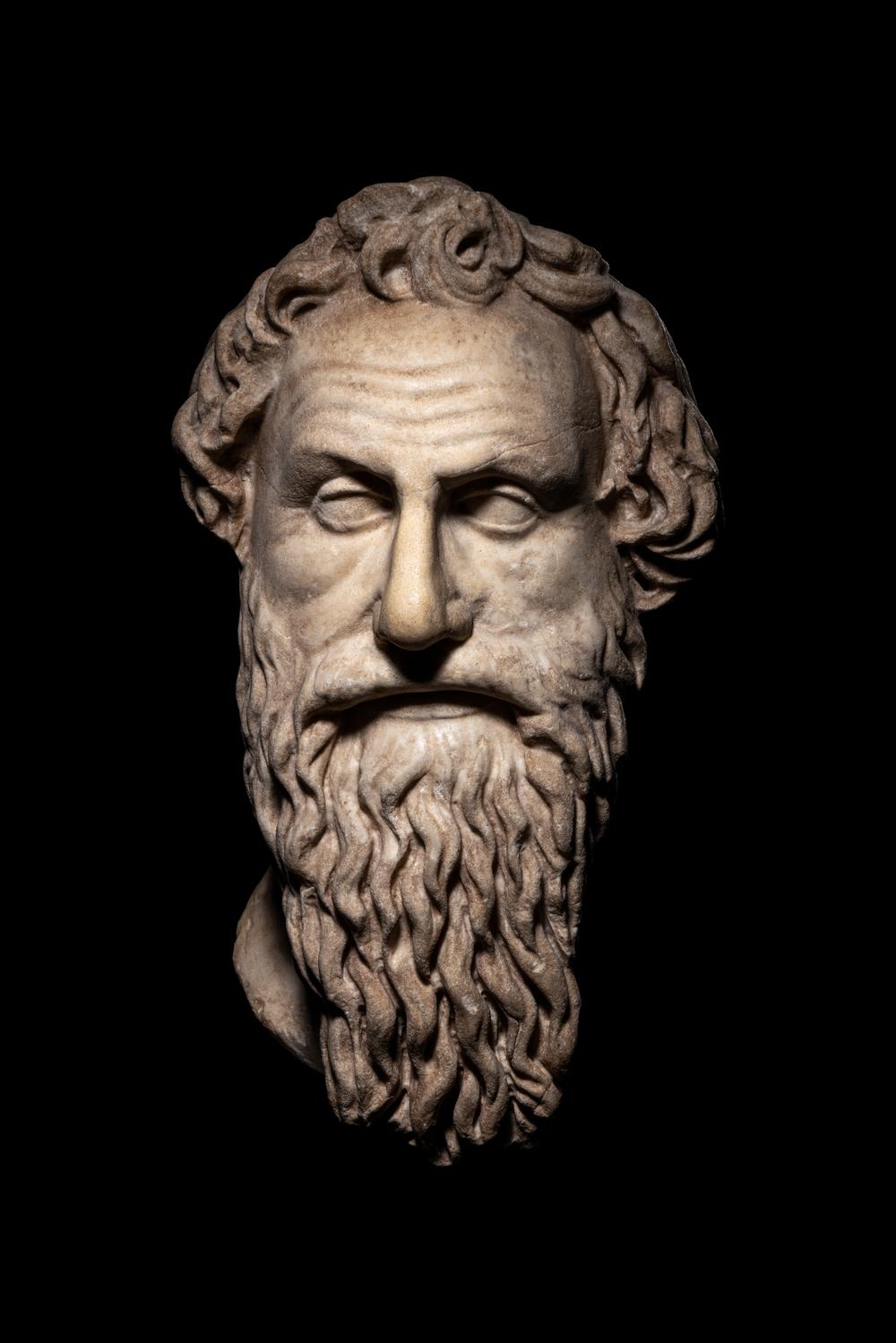
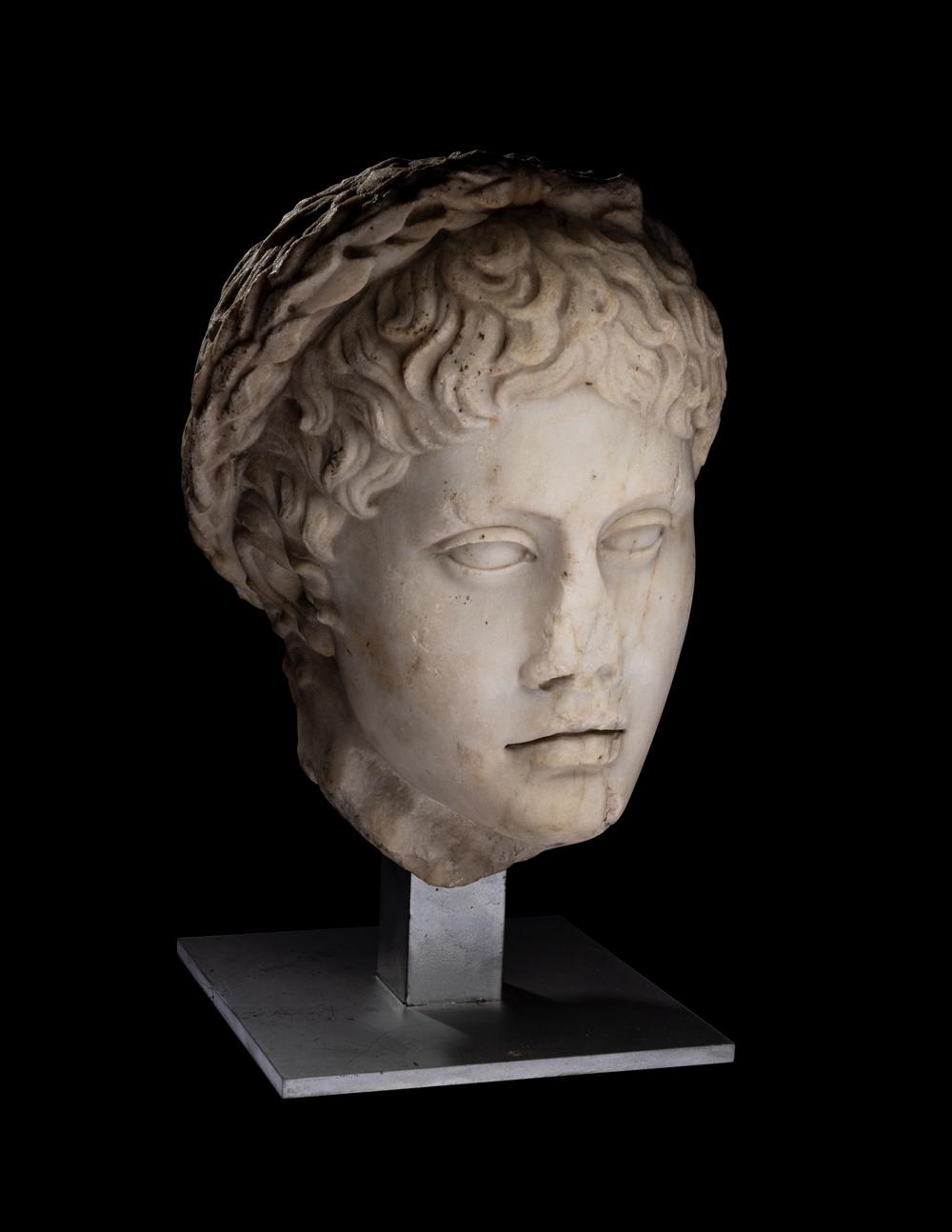
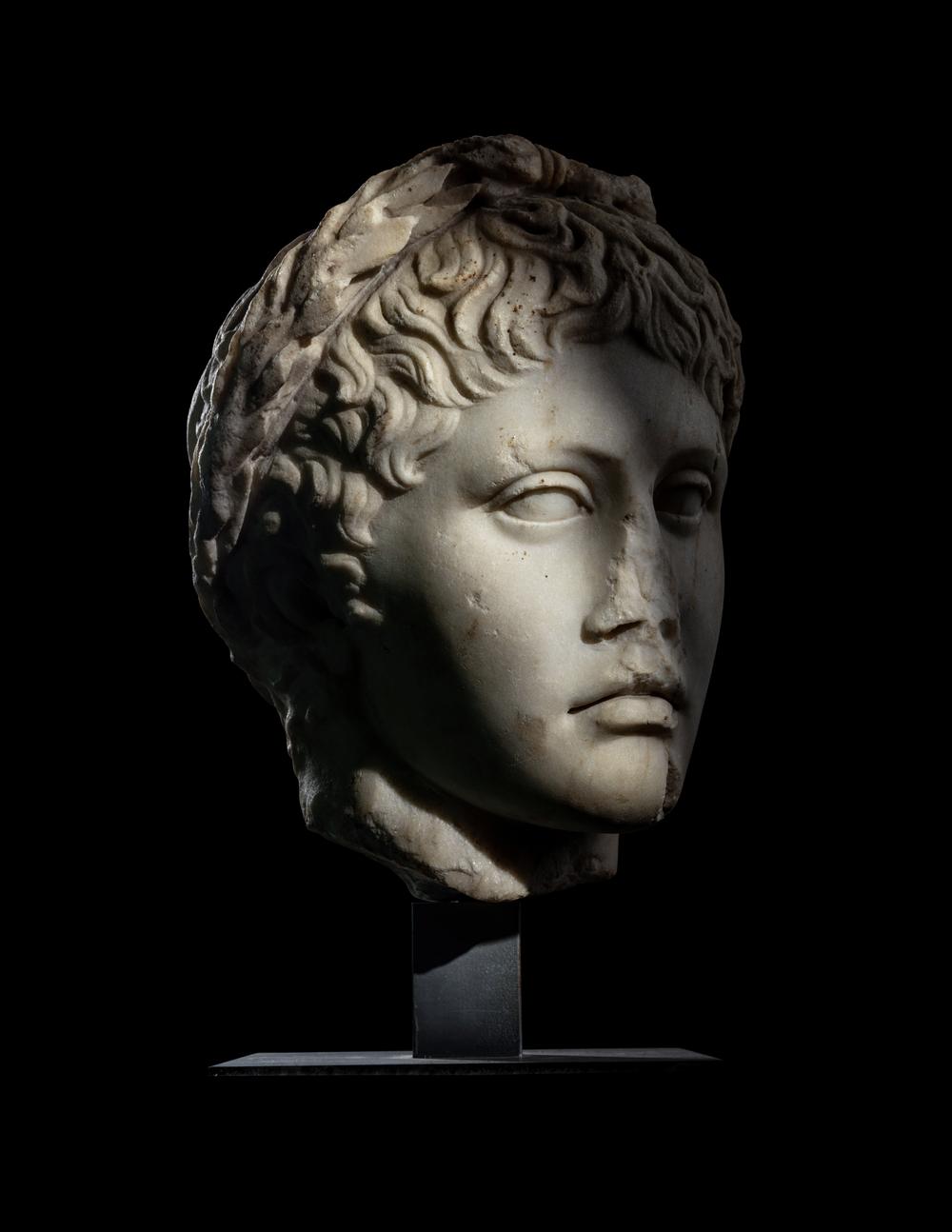
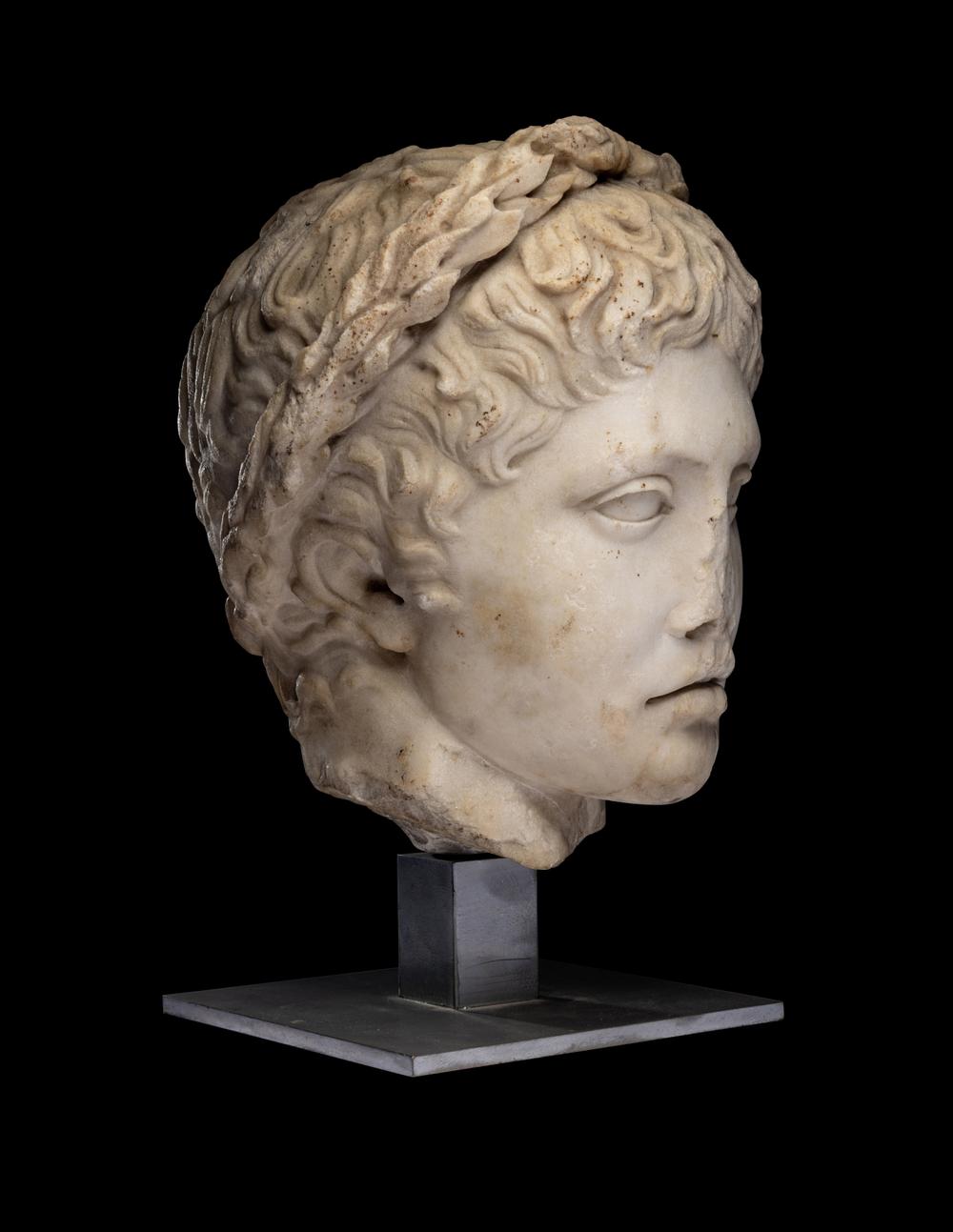
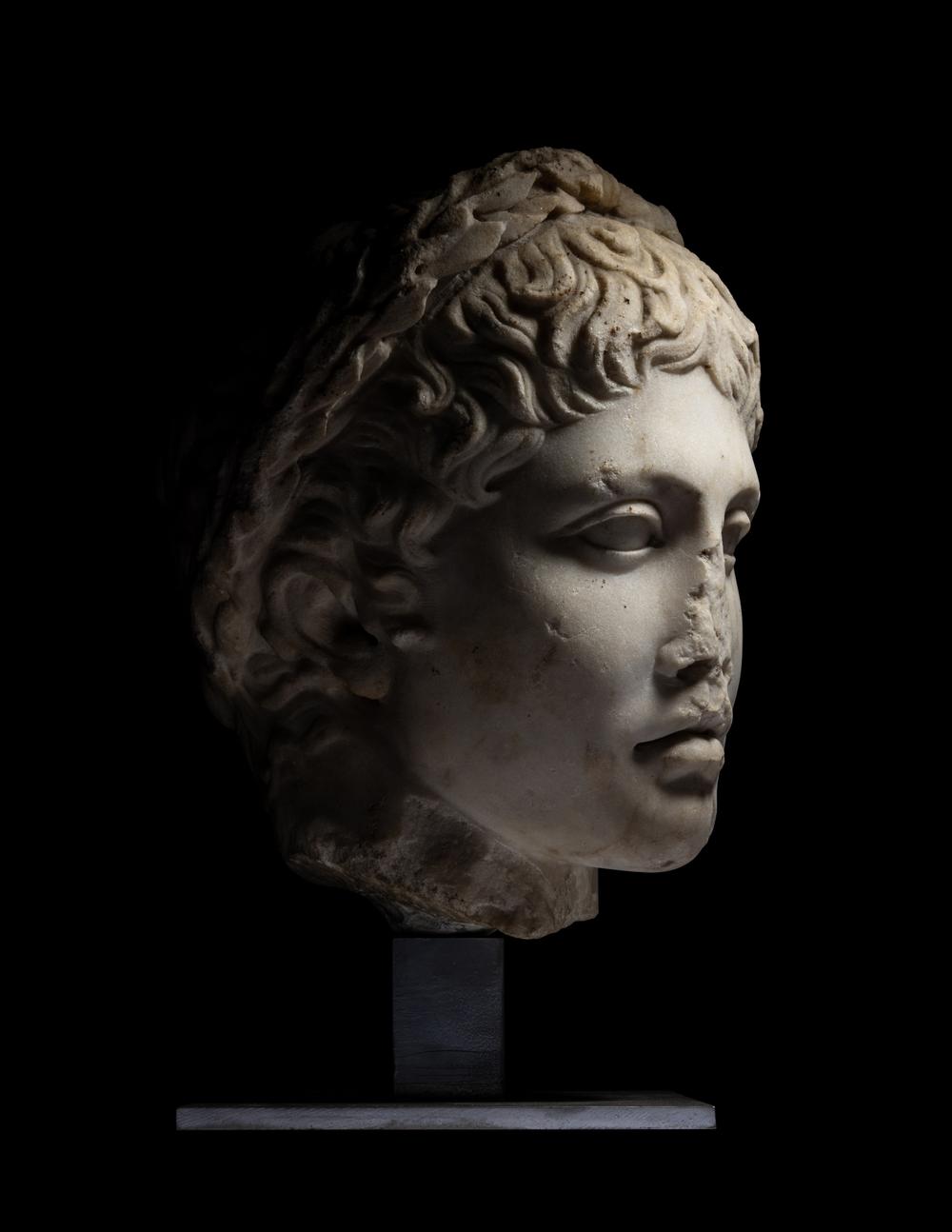
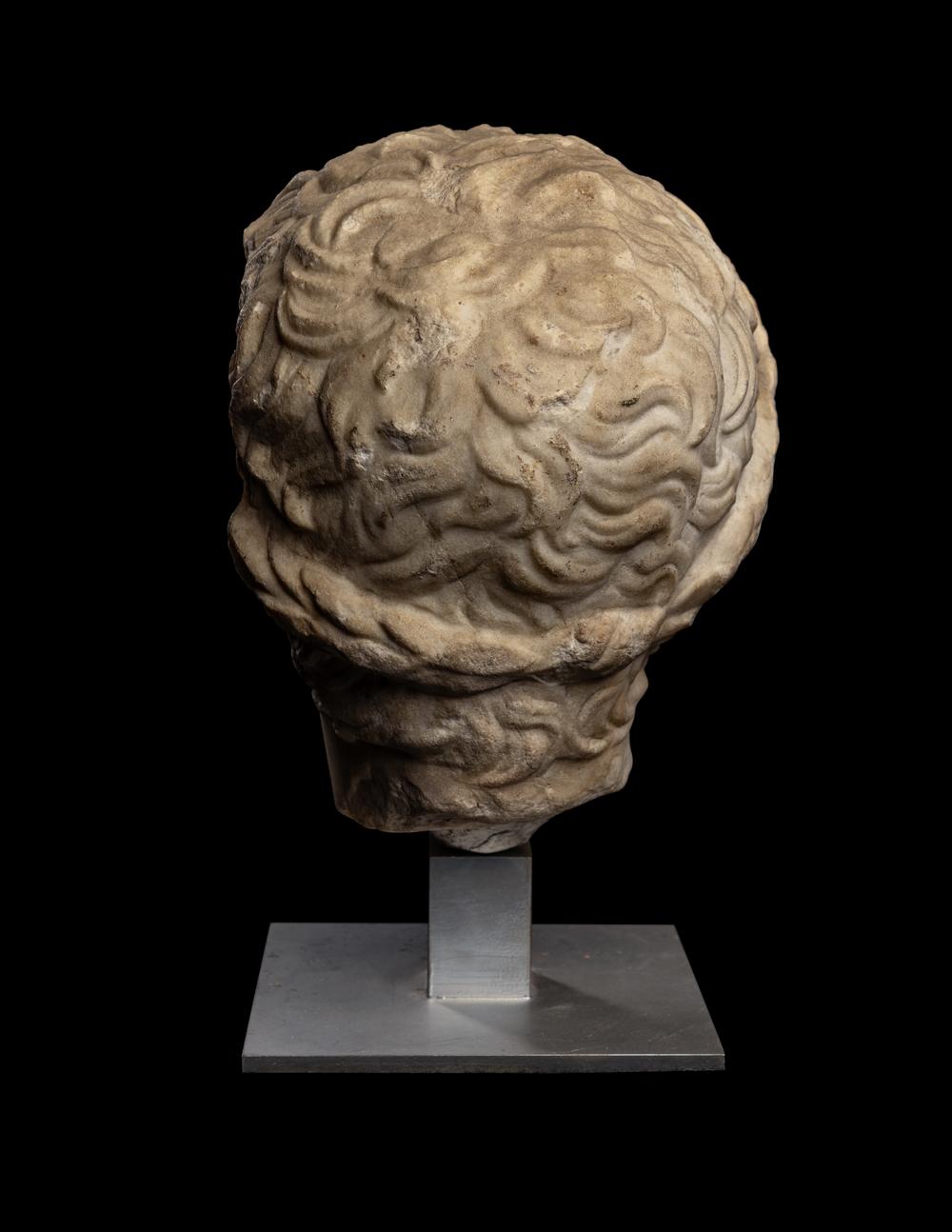
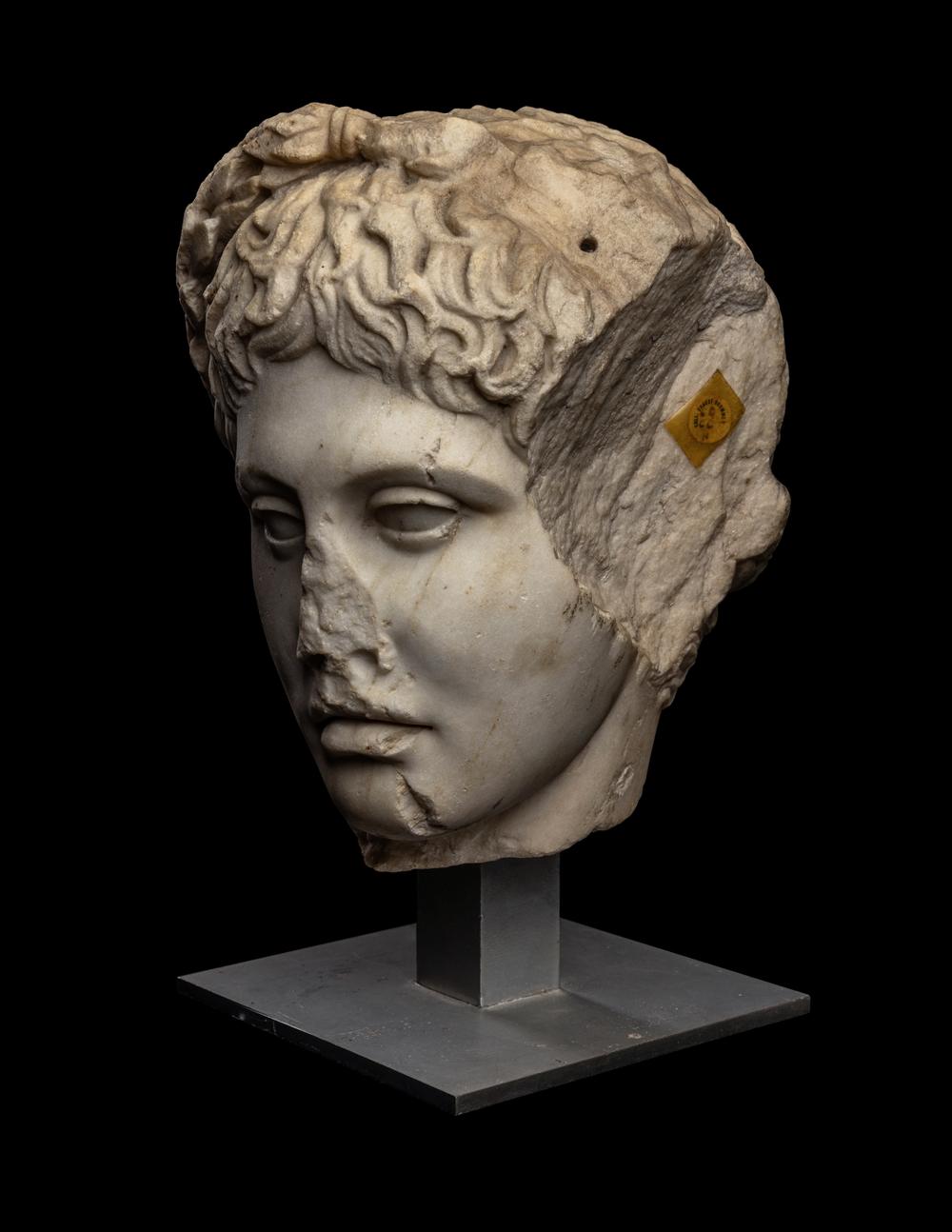
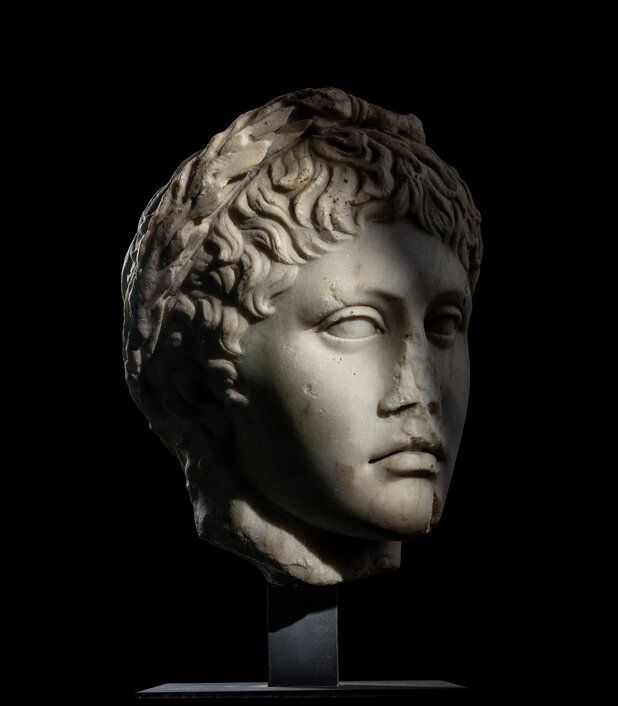
A Roman Marble Head of a Youth Wearing a Laurel Wreath
Sold for $504,000
Team

Jacob Coley
Senior Vice President, Head of Department, Antiquities and Ancient Art

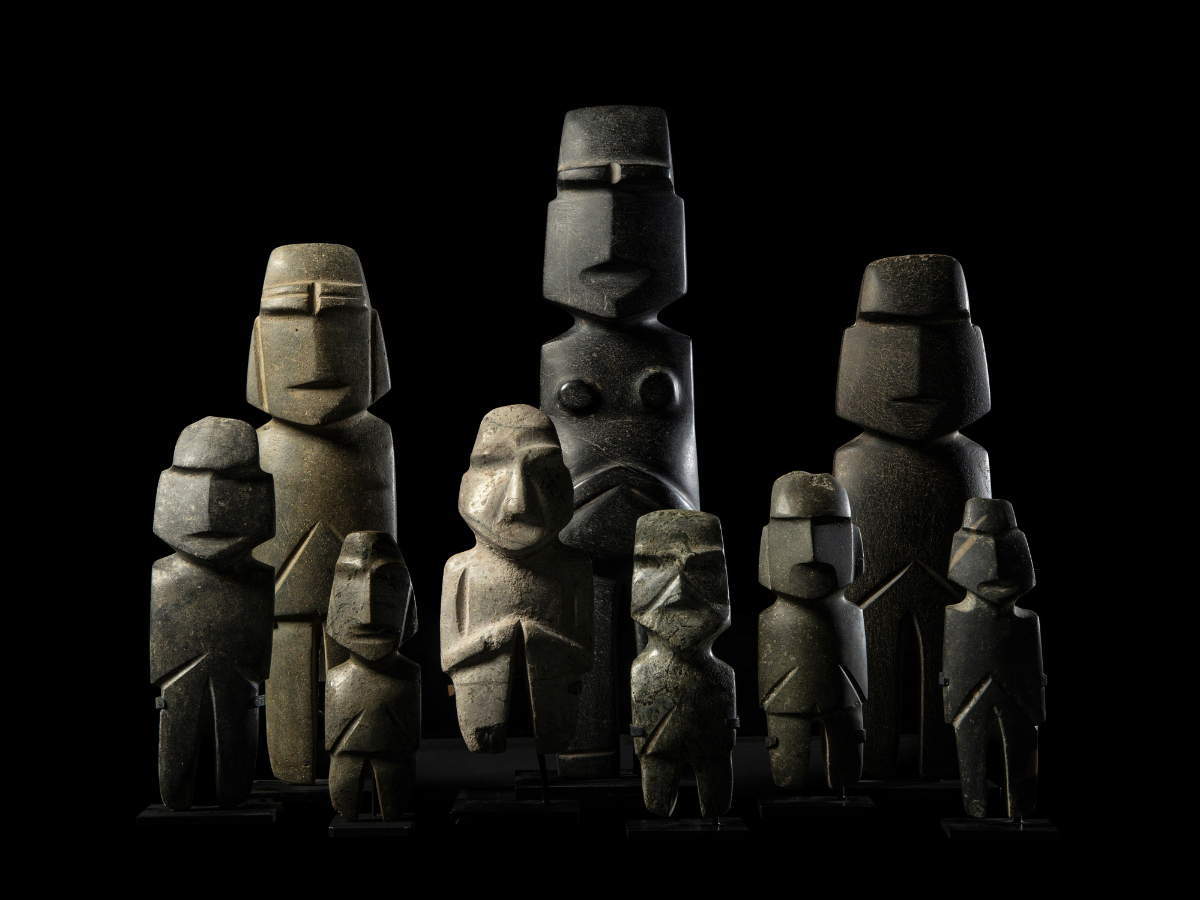
Antiquities & Ancient Art: Including Property from the Estate of Iris C. Love
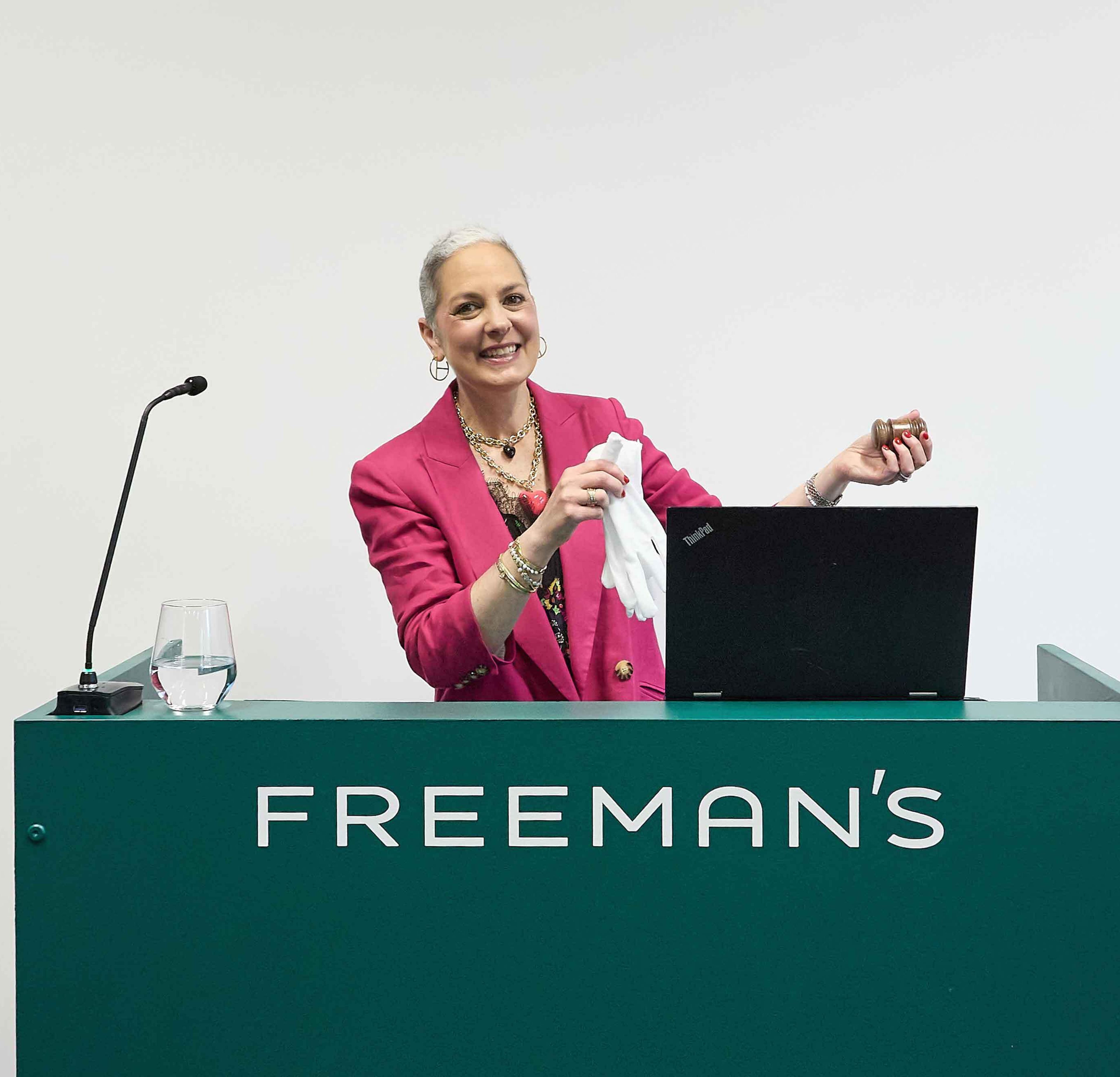
Freeman's Achieves White-Glove Status With Antiquities of the Garden Combined Total Across Two Auctions Exceeds $3.5 Million
Freeman’s Antiquities auction series achieved remarkable success on May 20, realizing $3,521,152 in total sales. Session I, Antiquities of the Garden: A Collector’s Living Ancient World, achieved white-glove status, with all 110 lots sold and 73% of lots selling at or above estimate.
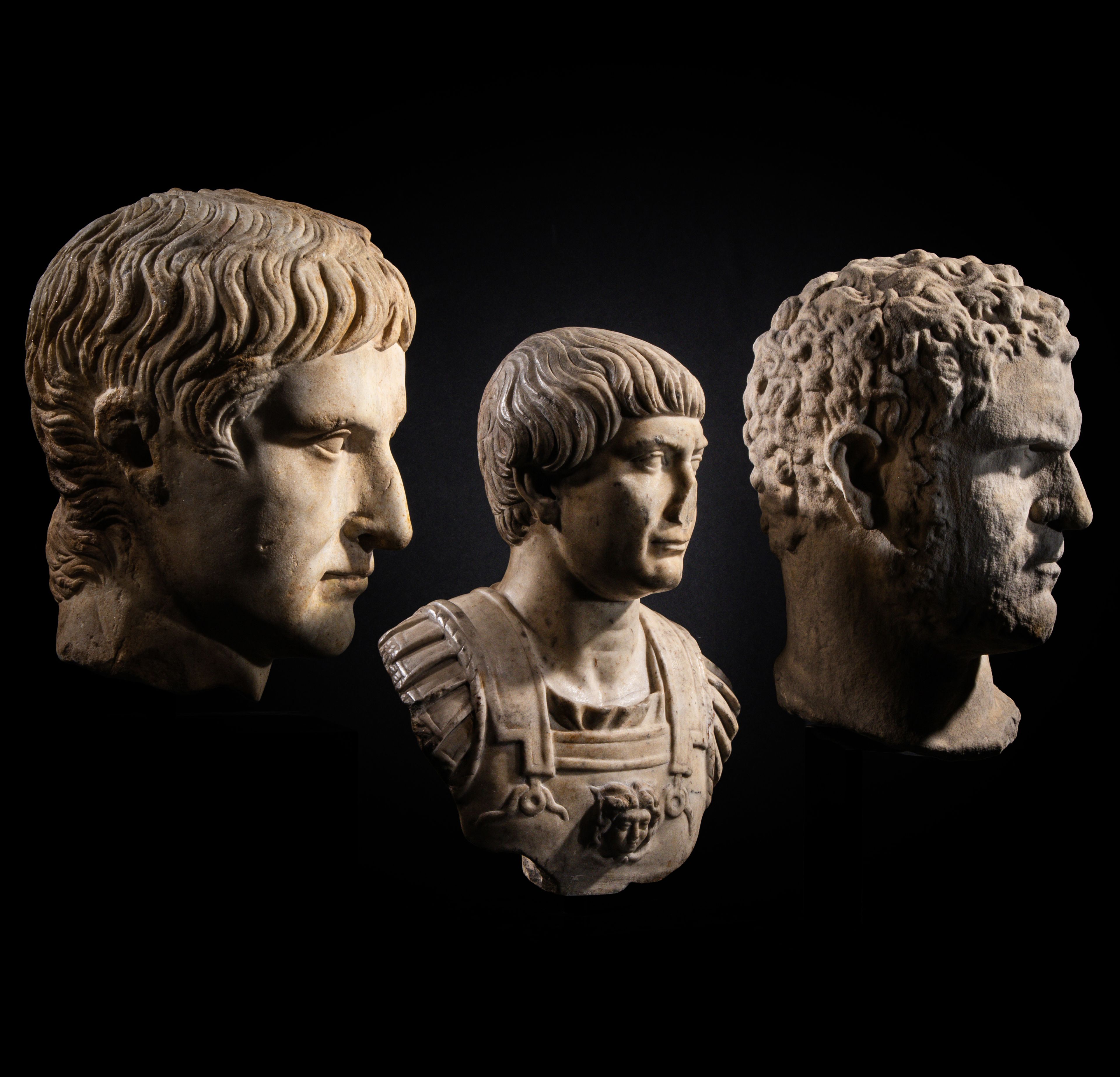
Antiquities of the Garden A Collector’s Living Ancient World
A great collection is never only about ownership; it is about recognition. The more than 120 works in this single-owner collection span centuries and civilizations, from Roman marble sculpture and Greek arms and armor to Egyptian amulets, South Arabian works, Near Eastern votives, and precious objects in silver and gold.
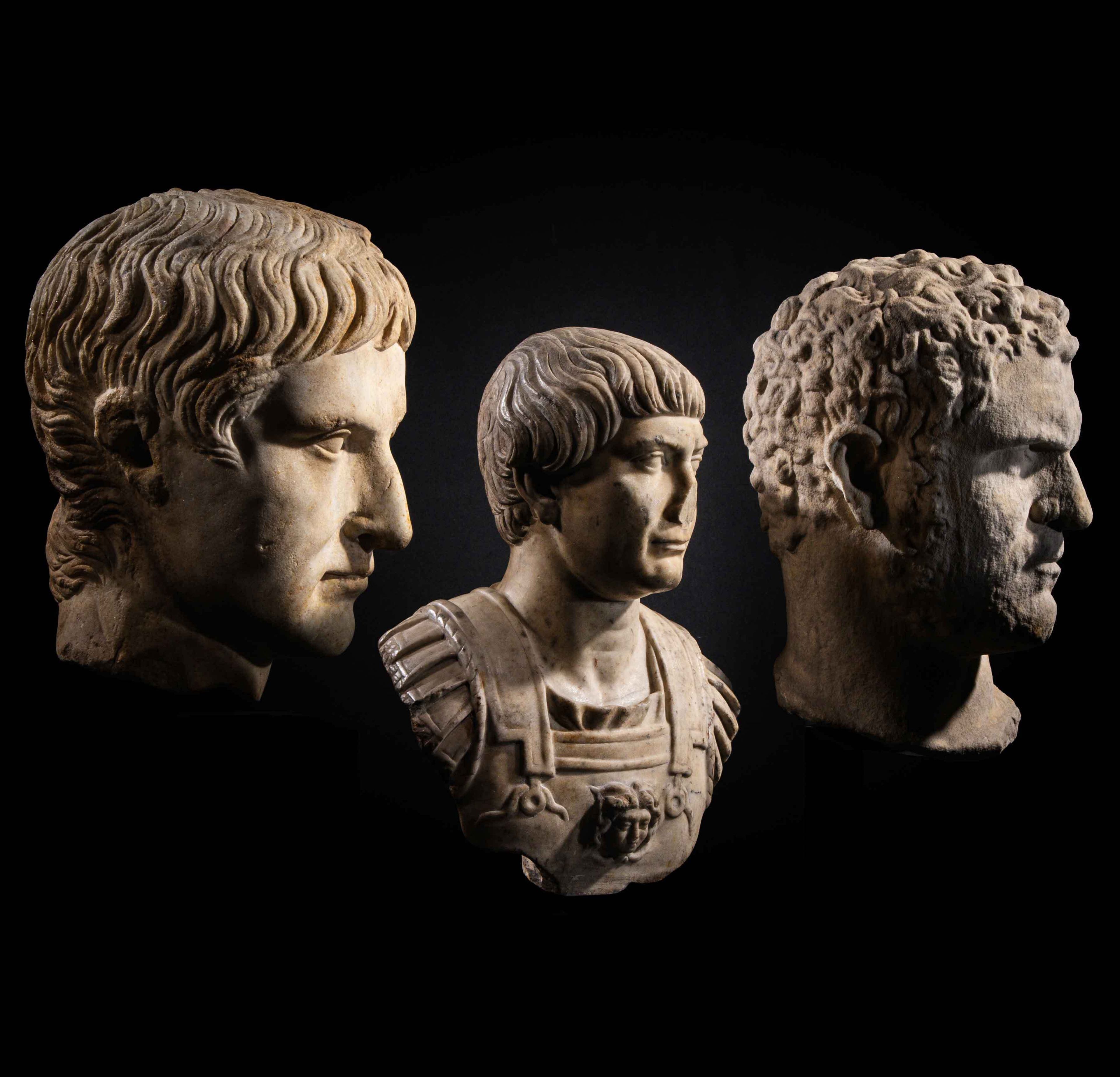
Freeman’s Presents Antiquities of the Garden: A Collector’s Living Ancient World Two Sessions of Ancient Art to be Offered May 20, 2026
Freeman’s will present a two-session auction series on May 20, commencing with the single-owner collection Antiquities of the Garden: A Collector’s Living Ancient World at 9:00 AMCT, followed by a second session at 12:00 PM CT, entitled Antiquities and Ancient Art.
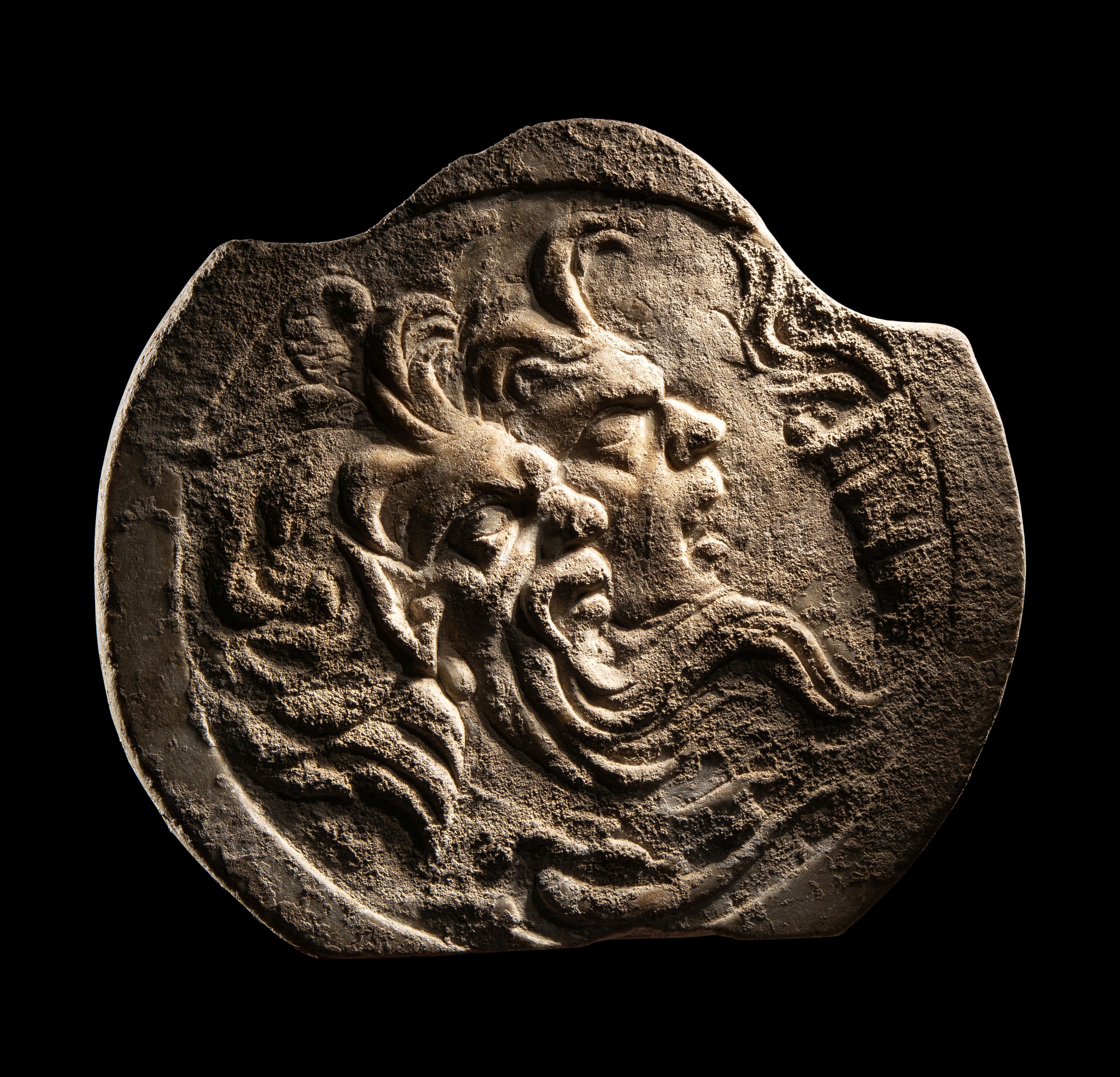
Freeman’s Sells Nearly $2.3M Worth of Antiquities and Ancient Art in Two Days
Across two days, the recently rebranded Freeman’s Auction sold nearly $2.3 million worth of Antiquities and Ancient Art from its Chicago saleroom on November 19 and 21.
Antiquities
Frequently asked
questions
Antiquities generally refer to objects created by ancient civilizations, including Egyptian, Greek, Roman, Near Eastern, and Pre-Columbian cultures, often dating from several hundred to several thousand years old.
Authentication typically involves examining materials, craftsmanship, provenance, scholarly research, and, when appropriate, scientific testing. Provenance documentation is particularly important for establishing authenticity and legal ownership.
Ancient sculpture, coins, ceramics, jewelry, funerary objects, and artifacts with strong provenance often generate significant interest among collectors and institutions.
Our Antiquities & Ancient Art department specializes in objects from the ancient civilizations of the Mediterranean, Near East, Egypt, and beyond. We regularly handle: Ancient Greek pottery and sculpture; Roman bronzes, marble, and glass; Egyptian artifacts and funerary objects; Near Eastern antiquities; Byzantine art; Ancient jewelry; Coins and numismatics; Pre-Columbian works of art (when appropriate); Classical sculptures; Ancient ceramics and terracottas.
Authenticating antiquities involves careful examination of materials, craftsmanship, condition, style, provenance, and, when appropriate, scientific testing. Our specialists draw on decades of experience and consult outside scholars and scientific experts when necessary.
Provenance is the documented ownership history of an object. Strong provenance helps establish authenticity, legal ownership, and collecting history. It is particularly important for antiquities, where international cultural property laws and ethical collecting practices are significant considerations.
Yes. Many antiquities sold at auction come from inherited collections or estates. Before offering an object for sale, our specialists review its provenance, ownership history, and any applicable legal or cultural property considerations.
You can request a complimentary auction estimate by submitting photographs and information about your object through our online valuation form or by contacting our Antiquities & Ancient Art specialists directly.
Several factors influence value, including: Authenticity; Provenance; Rarity; Historical significance; Condition; Artistic quality; Size and material; Market demand ;Comparable auction results. Our specialists evaluate all of these factors when preparing auction estimates.
Values vary widely depending on age, rarity, condition, provenance, and collector demand. Some objects may realize several hundred dollars, while exceptional works with distinguished provenance can achieve six or seven figures at auction. An auction estimate from a specialist provides the most accurate assessment of current market value.
Antiquities generally refer to objects created by ancient civilizations, including Egyptian, Greek, Roman, Near Eastern, and Pre-Columbian cultures, often dating from several hundred to several thousand years old.
Never Miss An Auction